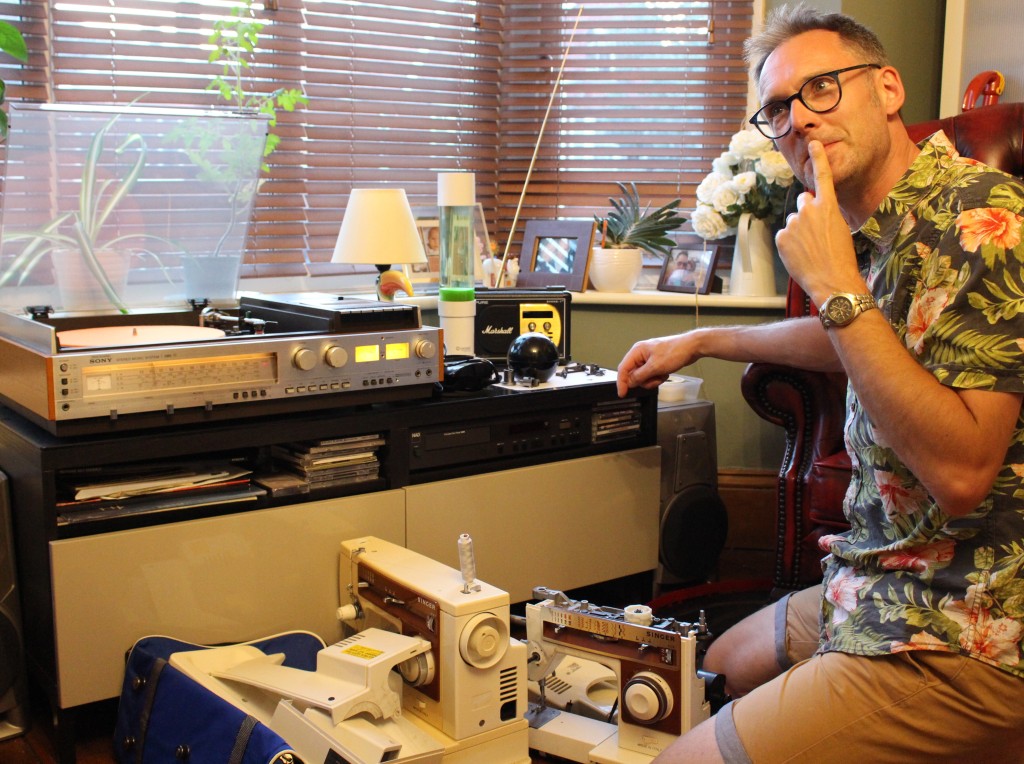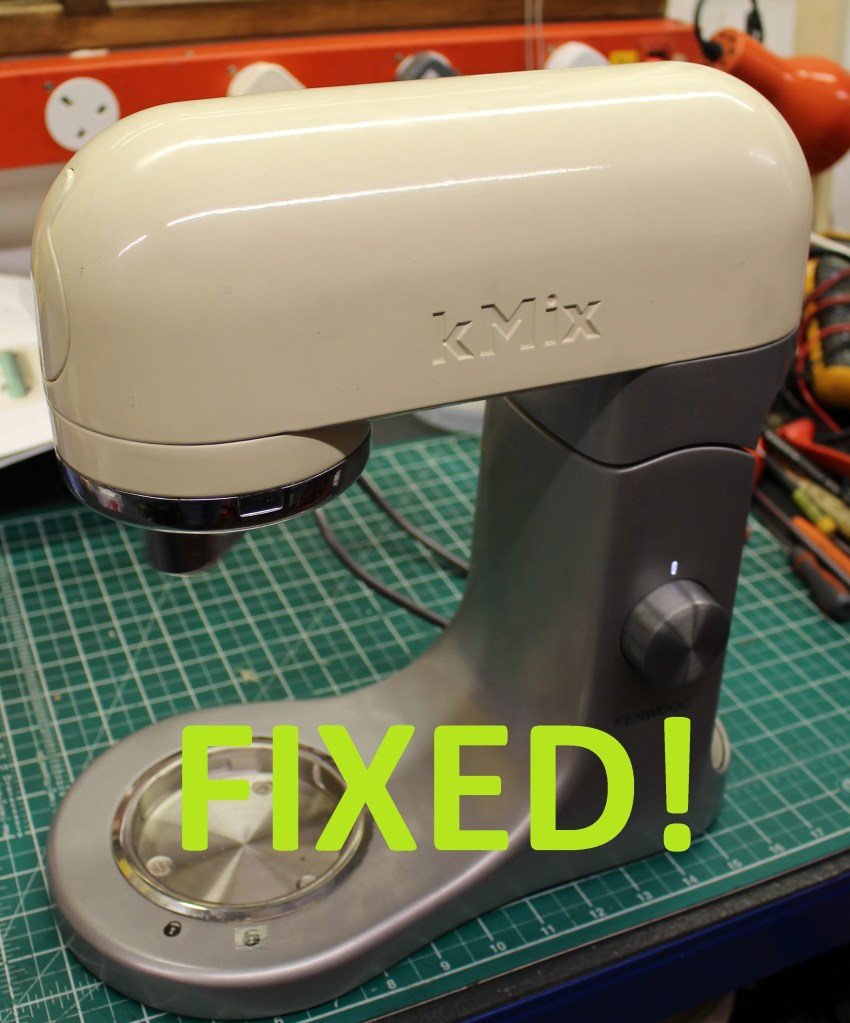
Moulinex magic in the workshop

Economically unviable, virtually no manufacturer support, practically zero second hand value. I’ve had worse machines through the workshop.

It’s not always about the cash…Better crack on.

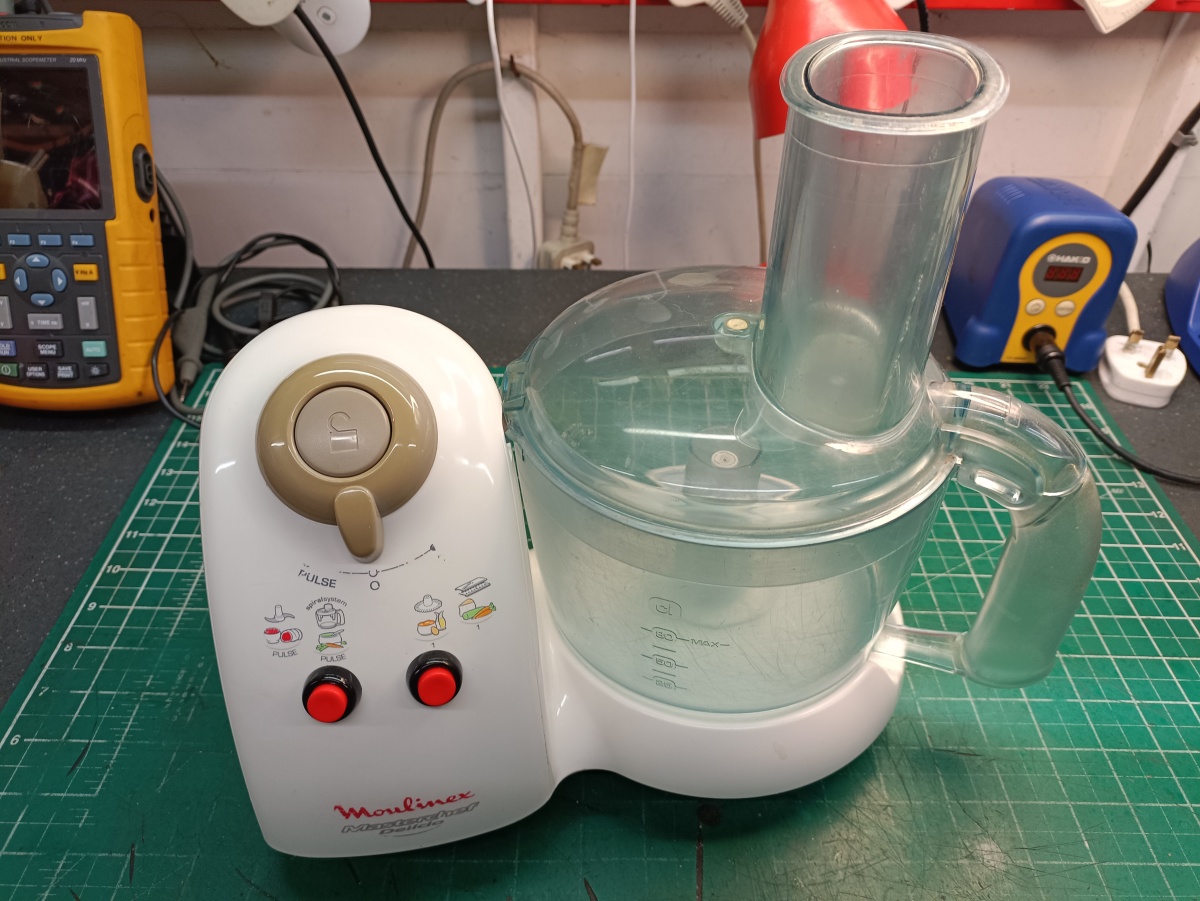
Make and model: Moulinex Delicio (food processor)

Fault reported: Broken switch

Cost of replacement machine: £40.00 – £50.00 for an equivalent

Manufacturer support (in the UK): 0/10

Cost of parts (for this repair): £ under a tenner, including all parts, but not labour

My time spent on the repair: 1 hour

Tools needed: Small knife, pliers, small screwdrivers, soldering iron

Sundry items: Cable, heat shrink

Cleaning materials: Silicone spray, contact cleaner, wipes

Repair difficulty: 5/10 (fiddly)

Beverages: 1 tea

Biscuits: 2 ginger nuts

Bad language: 2/10

It must start early.  An attachment to inanimate objects, a personification if you will, of machines and their mechanical feelings.  Maybe it starts with teddy bears, Lego people or Matchbox cars. Of course, deep down I know that machines do not have feelings, but I do sometimes find it hard to simply give in with something, and throw it away. 

I don’t think that it’s a coincidence that many classic cars, rescued from the crushers’ teeth, tend to have a ‘face’.  Indeed, designers can often hit on a million-seller, if they get the ‘face’ right.  Think VW Beetle, Morris Minor and Mini. Perhaps these shapes bring back childhood memories of a favourite cuddly toy, which might translate to them being taken care of better and cherished for longer.

Anthropomorphism, the attribution of human traits and tendencies, is something many of us experience, but us repair nerds seem to take it to another level.  I’ll have to think of a catchy name for it.

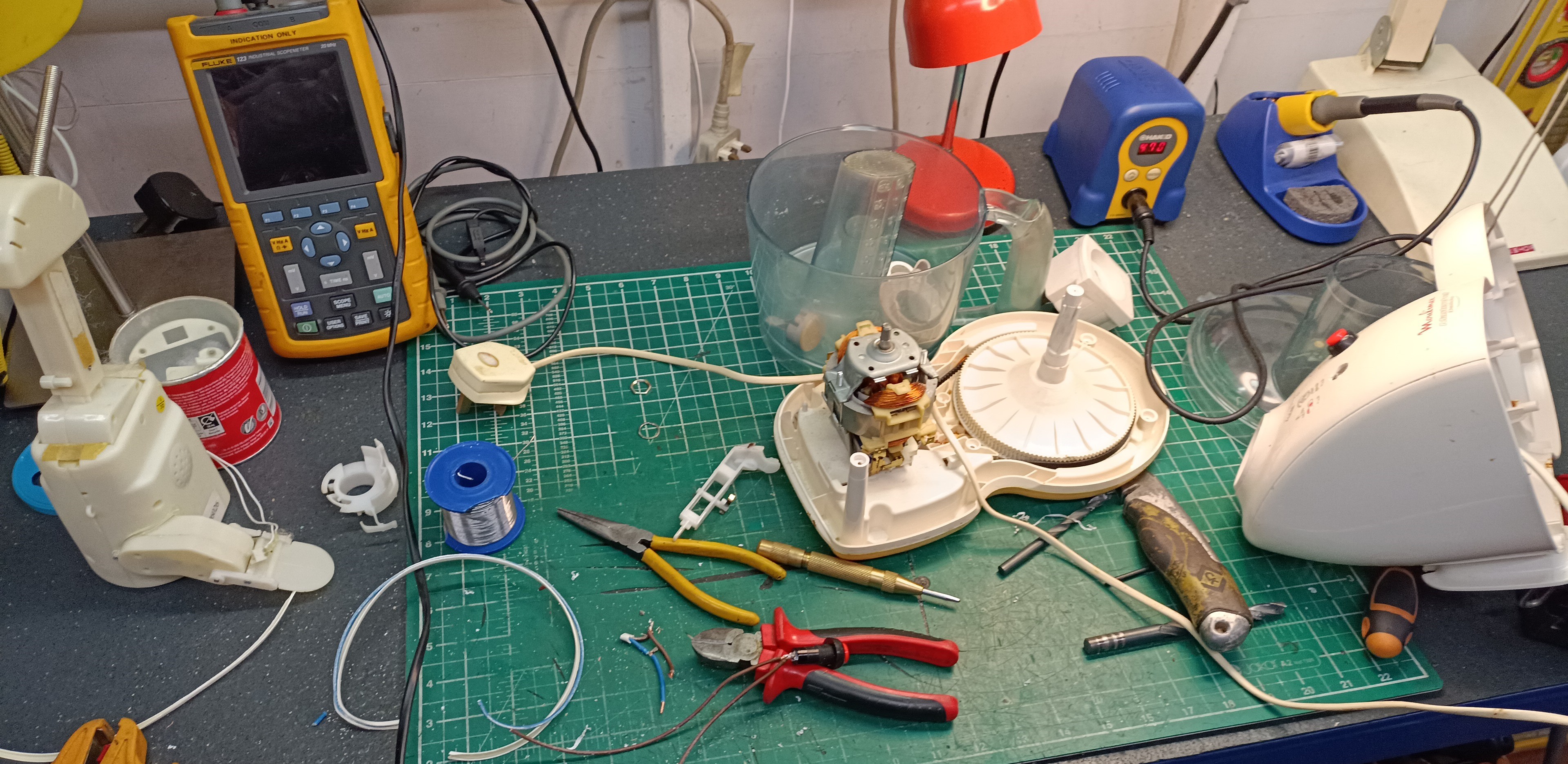
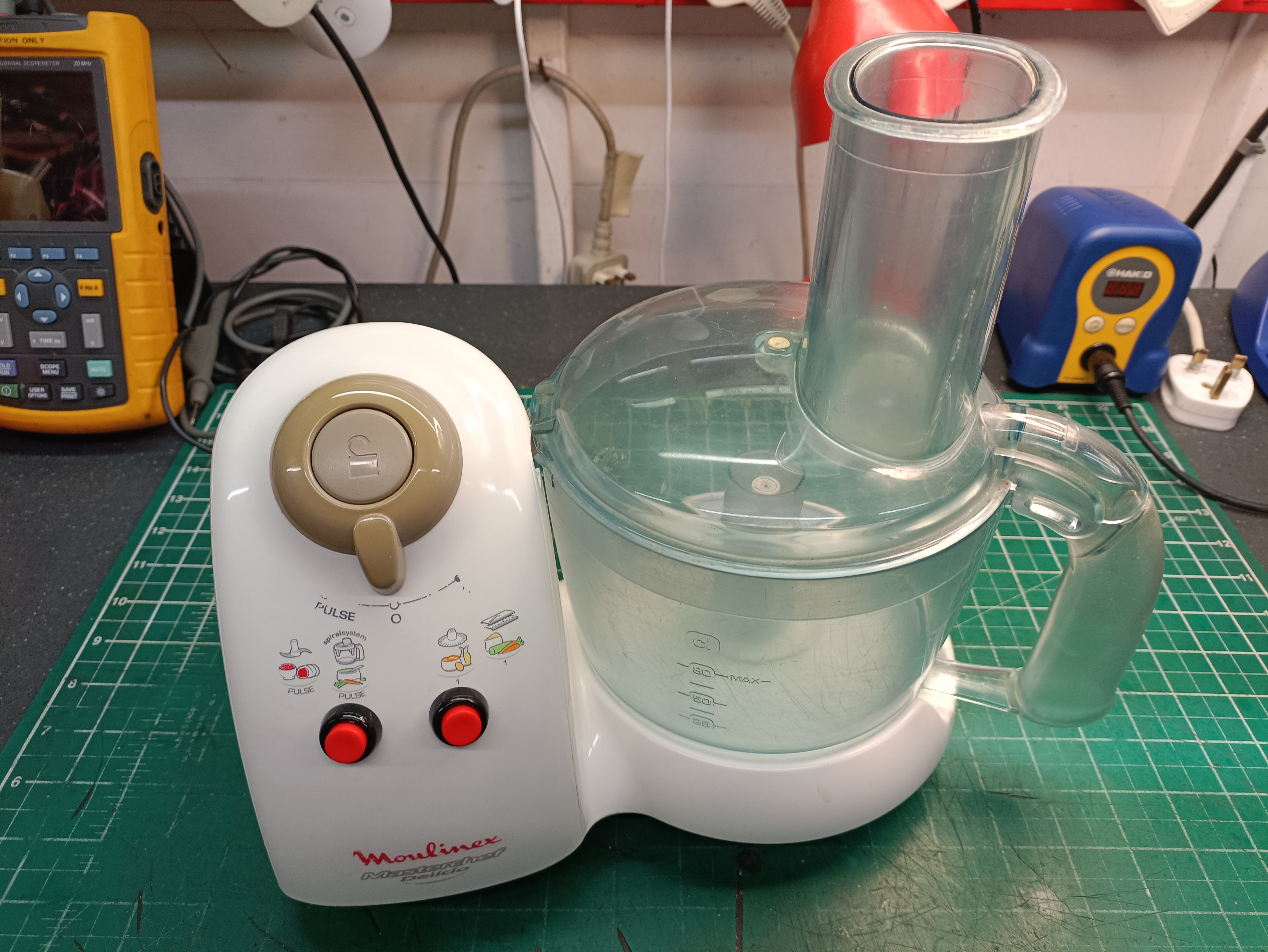
All this has reminded me about a recent such situation where my mum asked me if I could fix her broken Moulinex Delicio food processor, if it wasn’t too much trouble. 

The condition I ‘suffer’ from certainly doesn’t run in families and my mum was at first, ready to recycle the thing. But remembering all the cakes made with it over the years, especially ones made with my two daughters, seemed to put a different complexion on matters. So, I took the mixer away with me and put it on the workshop shelves, awaiting some attention.  At least there were other machines alongside, to keep it company.

Many food mixers tend to be large, heavy and bulky affairs which is OK for many, most of the time, but if you can’t manage the weight of something like an eleven kilo Kitchenaid Artisan every time homemade brownies are called for, something like this little light-weight Moulinex is ideal. So, two compelling reasons to keep the mixer; it’s lack of weight and some fond memories.

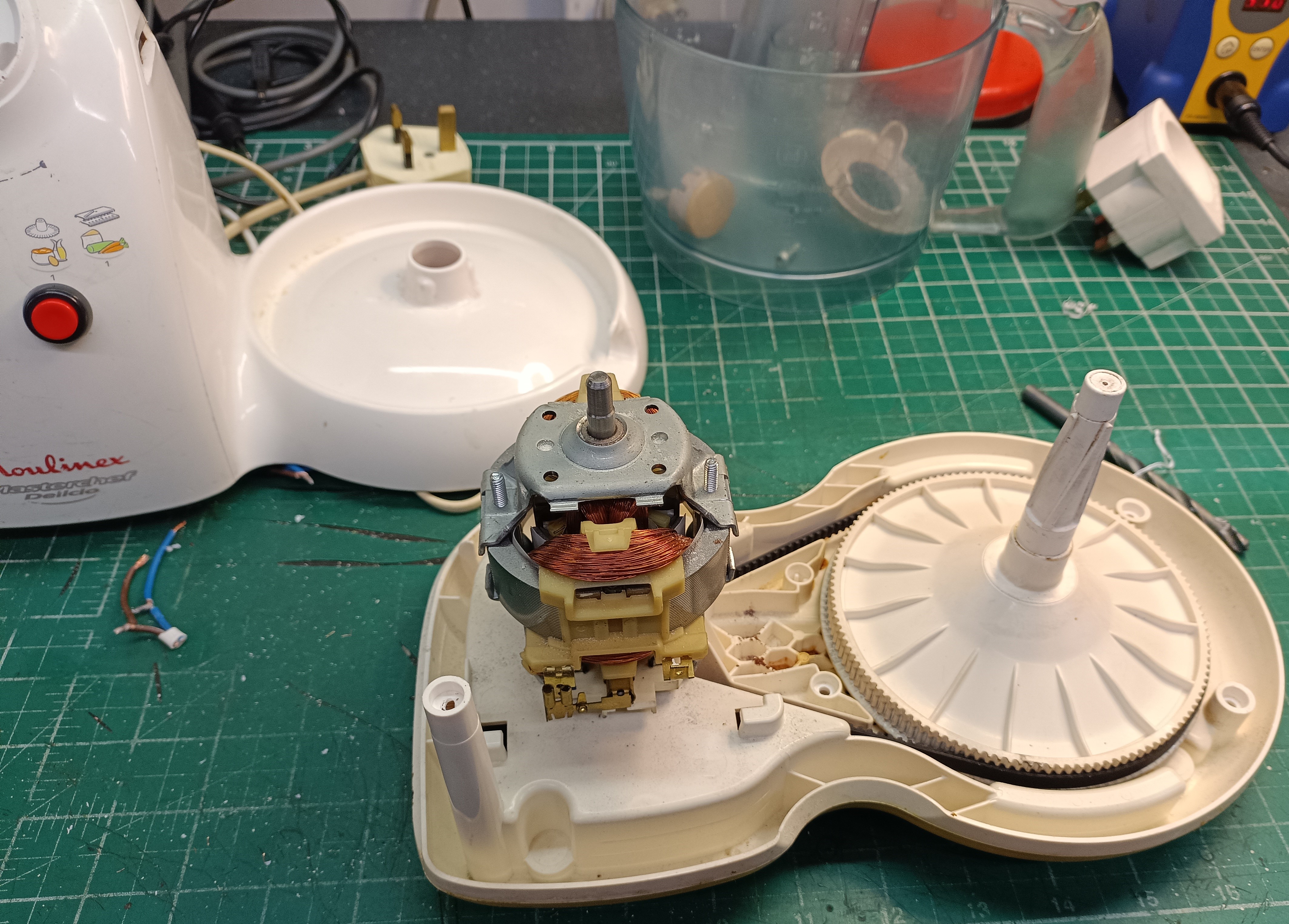
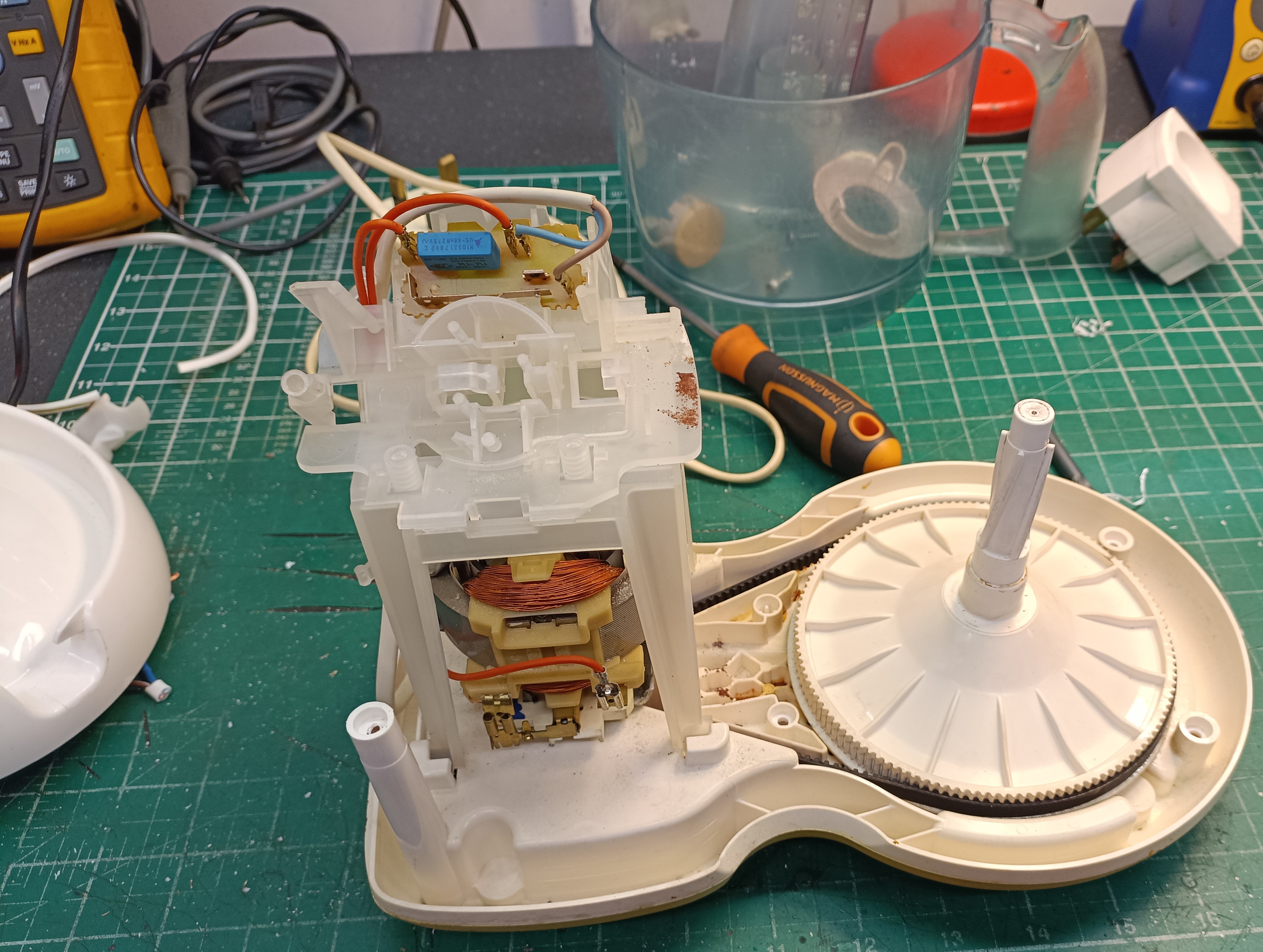
The problem was that the main on/off switch didn’t seem connected with the rest of the machine and to make things more complicated, the integral lid-lock was operated with the same button.  This part is therefore quite important since it might prevent one from shortening their fingers, by not allowing the spinning blades to ever come in to contact with wondering digits.

Now, I’m sure that this all seemed rather lovely in Moulinex HQ at the time, but small plastic switches connected with several thin moving parts combined with knocks and scrapes in a kitchen, is not going to end well.  As a matter of fact, Moulinex offered the offending switch assembly as a spare part until recently, so they must have known that the design was a bit iffy.  Sadly, I missed the boat and despite several attempts, I couldn’t find a replacement part anywhere. eBay revealed a couple of similar machines with faults, so it was back to the drawing board.

3D scanning and printing makes low-volume, but high-quality production a reality, and it’s really something that I need to get into, as I often have the need to copy rare, obsolete parts.  In time, I will. 

In this case, I did consider using one of the many online UK companies now specialising in this kind of thing, but the costs did not warrant it in this instance, so a new strategy was required.  I’ve spent many hours of my life browsing parts like this in catalogues, so I decided that a repair should be possible for under £10.00, using readily available, generic switches. Yes, that should be my budget challenge then, do the whole job for a tenner or under and since it was a family affair, no charges for labour!

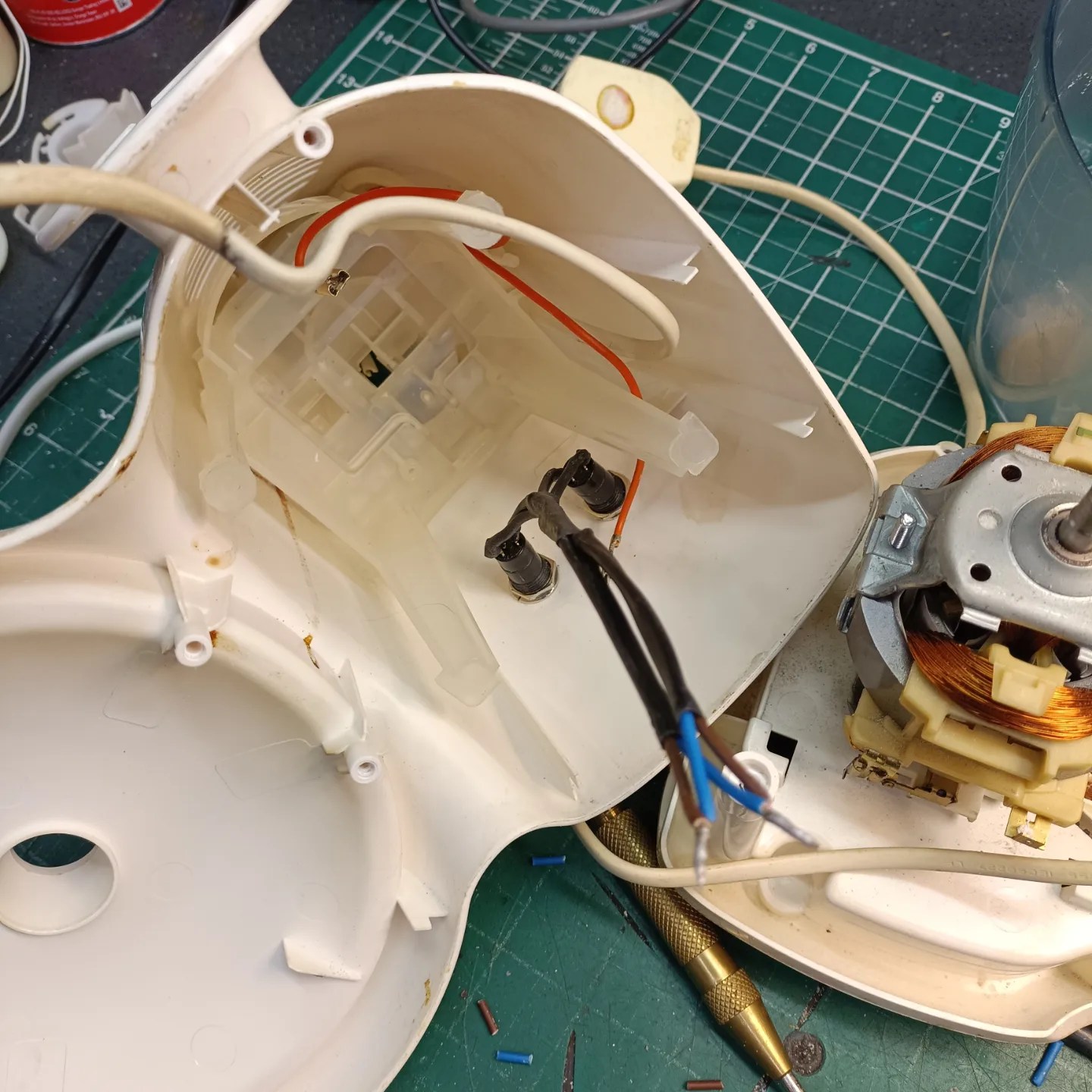
The Delicio is a simple machine; no variable speed controller, just a single speed operation controlled either by latching or push-to-make switch.  It gets the job done quickly and without fuss. After a quick trawl of eBay, I opted for two small round, red button in black bezel switches with solder tags.  The switch series I opted for was available in push-to-make and latching, bingo!  And at £5.98 delivered, a total bargain.

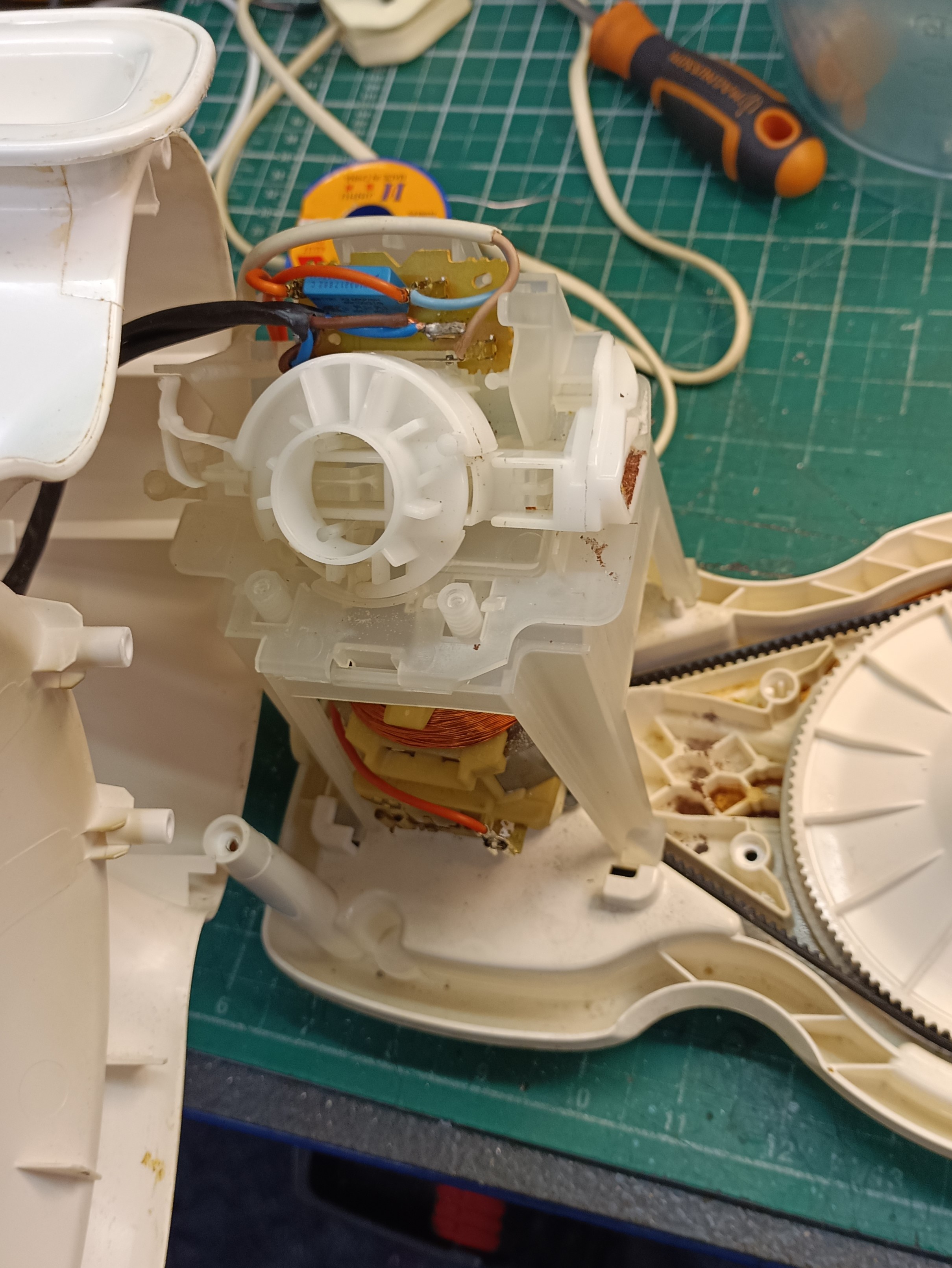
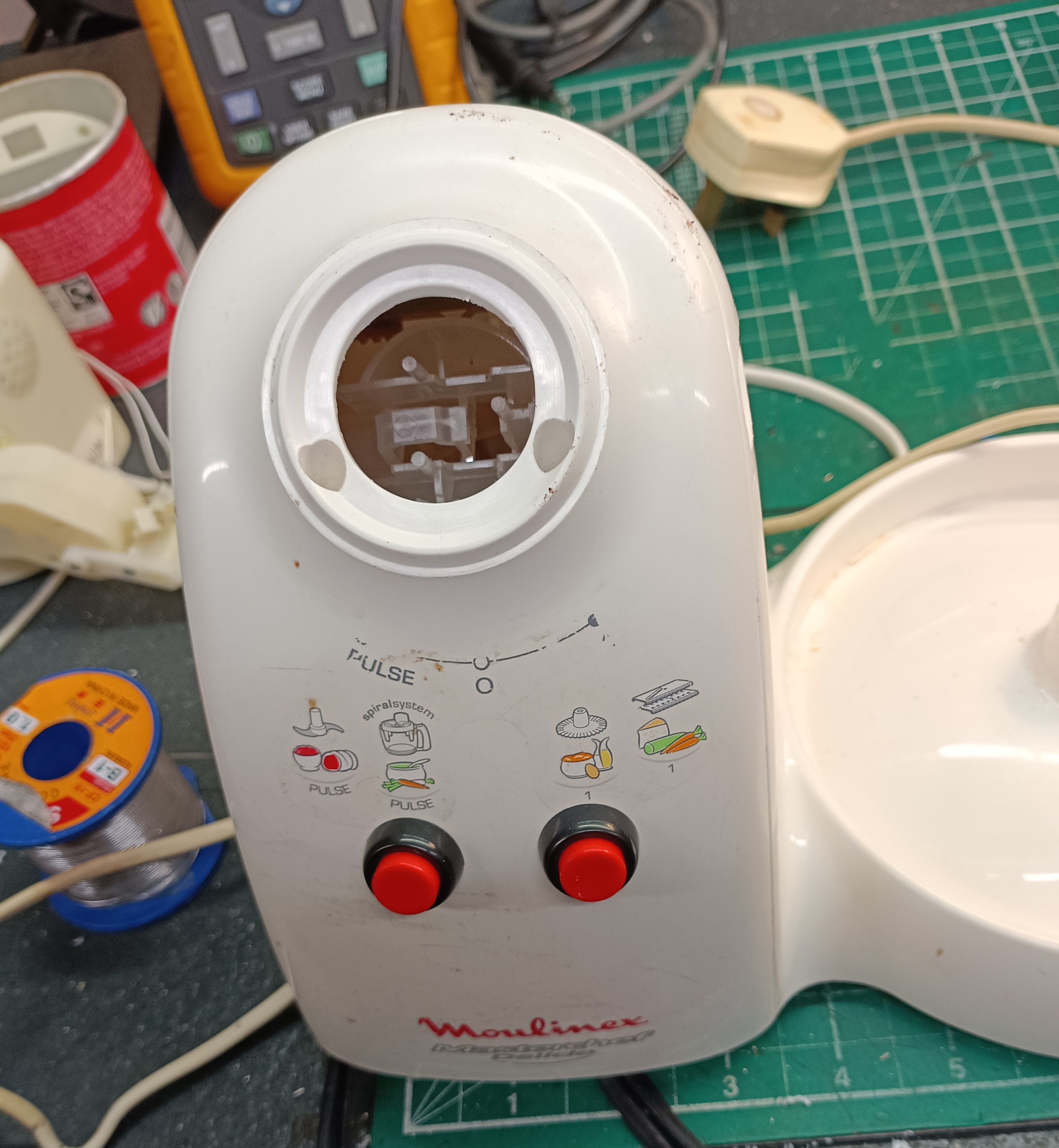
There’s something quite satisfying in selecting an item, taking it apart and then modifying it by way of repair, improvements or both, in such a way that differs little from its original design.  Subtle modifications or improvements, that the casual observer will never notice. If you look closely at the photos, I managed to line up the new buttons with the old printed text, to match the operation. Lucky.
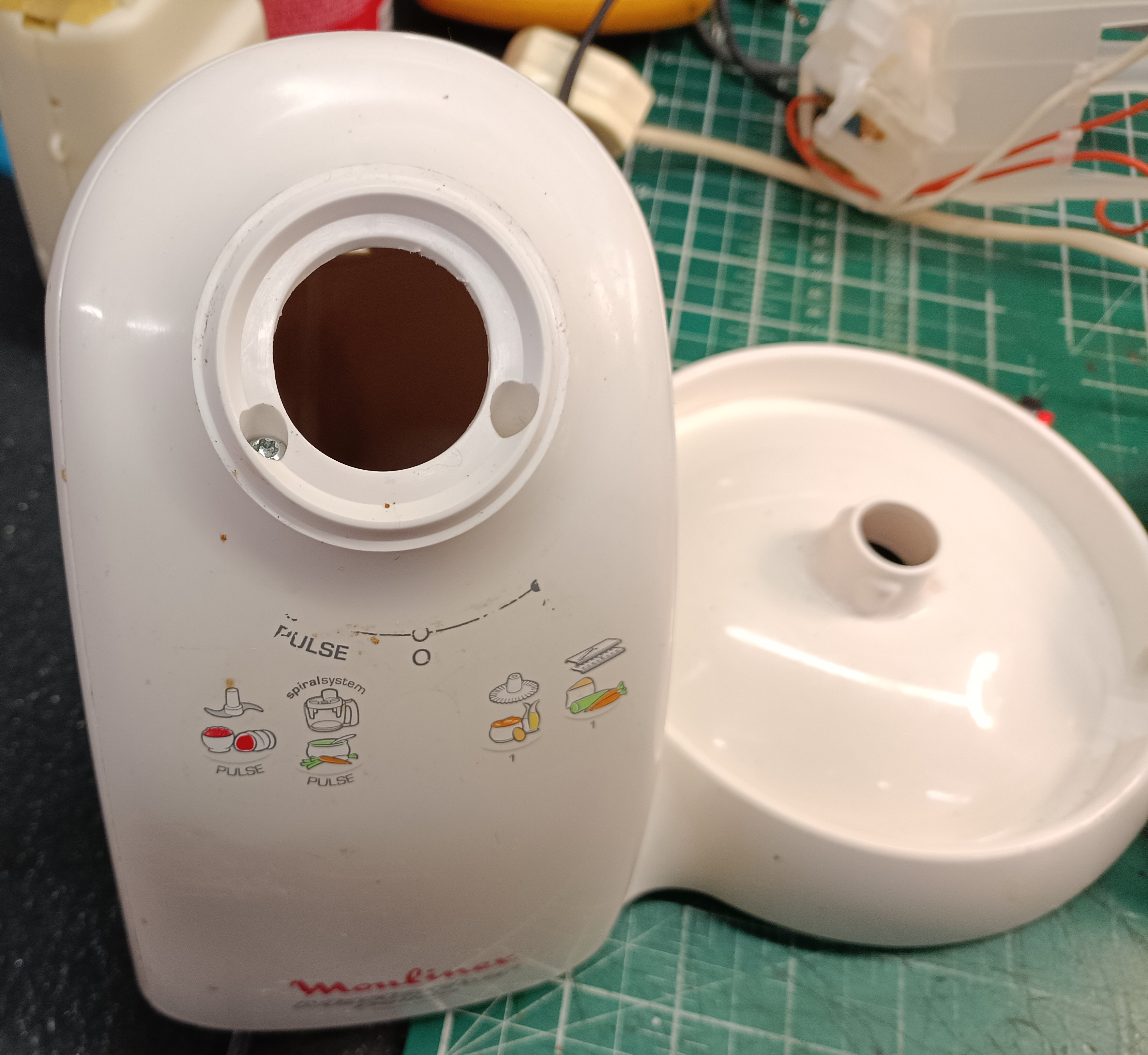
I won’t describe the repair in detail, suffice to say that I found a suitable location for the new switches in the machines’ chassis, drilled out the holes and then fitted them in place with the nuts supplied in the switches’ kit. No special tools required for this job really, just a selection of standard screwdrivers, some 0.75mm wire, heat shrink, cutters and a 12mm drill bit.  I already had some cable, I connected the new switches to the existing wiring harness, by-passing the original.

I was able to retain the original switches’ interlock by keeping the original switch in situ with a little epoxy resin.  This ensured both safety and the original aesthetic.  See what you think in the photos. I was quite pleased with it.

I completed the repair within an hour, which I almost forgot to report, included a wipe over and polish. And I managed it on only one cup of tea with a couple of my favourite ginger nuts.  Oh, and I didn’t go over budget. Any chance of a Vicky sponge, mum?!
Inside The Real Repair Shop 13

This time, Matt discusses false-friend eco products…

One lives and learns and if there’s one thing I definitely know now, it’s that the good people of Worthing (at least) really do love their bread makers! 
Back in August, in the spirt of light-hearted environmental consumer advice, I offered my thoughts on what I deemed to be ‘pointless products’ and crumbs, did I rattle a few bread bins!   Almost 4 amiable souls took the time to share their thoughts on the subject too, extolling the virtues of their trusted kitchen friends. Some even shared a few photos of their finest loaf creations; the most exquisite that I have ever seen, it must be said.  At yeast, most of you saw the funny side I think, but others thought that I was being a little childish. So this article will be a little more proven, I hope.

To those who rose-up, a little browned-off by my distaste for these machines, I say this; it was only a bit of half-baked fun.  You’ve really got to roll with it!

Turning to more serious matters. When it comes to our current environmental issues it seems more than ever that some campaigns, propaganda, even official advice, must be taken with a pinch of salt.  Of course, I too am a consumer of online adverts, original articles and general broadcast media and I find myself increasingly starting to doubt that one can have one’s cake and eat it. Right, enough of the baking buns, sorry, puns.

Despite the typical British Summer we’ve been enjoying here in the UK, it’s been Armageddon on the continent.  And, if you’ve been watching any mainstream news these last few months, you would have seen European reports showing newly designed weather maps with splashes of ferocious oranges, blood-reds and deathly maroons, possibly designed by The Terminator, telling us the World is boiling.

Is it all part of a ‘big plan’ to discourage would-be travellers from taking polluting flights to far-away, warmer climes? Are all the ‘wild’ fires, naturally occurring? Whatever your views on climate change, it would seem that broadcast messaging is nudging us to stay home, stay indoors and don’t move. Remind you of anything? 

Anyway, assuming you’re still with me (thanks by the way), I certainly don’t claim to have expert knowledge on environmental change, CO2 emissions, the latest breakthroughs or Government policy. However, I do have a sprinkling of knowledge on most of these things, enough to say that we have a global population of over 8 billion humans (and rising), many living in or gaining ‘Western lifestyles’ (food production, transport, devices to state a few), so it doesn’t take the mind of Einstein to realise that we’ve had an effect on our environment since we began farming, and that effect is probably speeding up in a way that evolution hasn’t seen before. So, before you rush out to buy the latest energy saving, connected device made far, far away, I urge you to consider something else too.

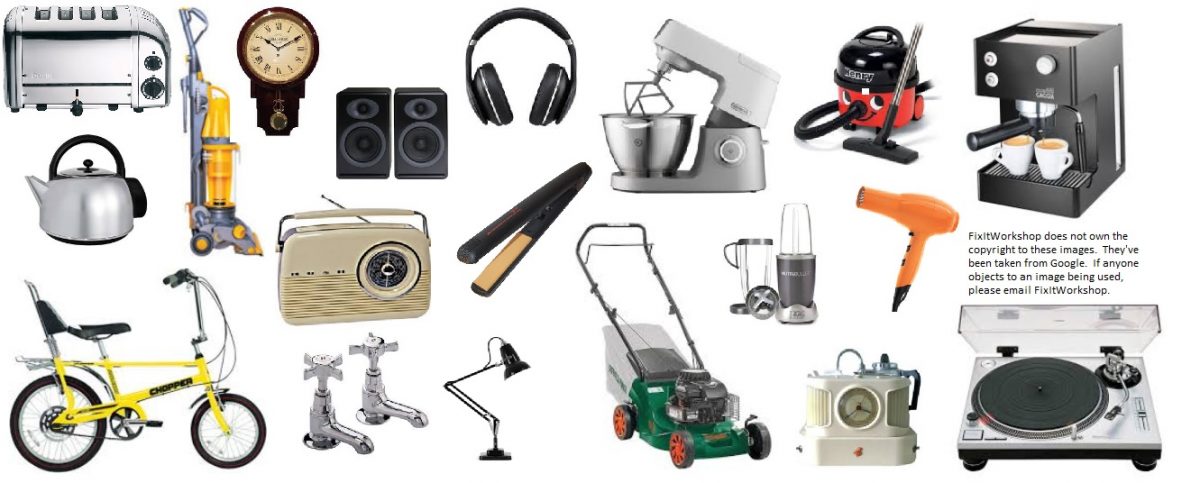
In The West, we import thousands of tons of electrical items, well anything with a plug on it, from The Far East.  Phones, tablets, toasters, kettles, pop-corn makers (to name a handful) are all made thousands of miles away, and are sold at affordable prices for us to enjoy, the very next day if you like! Also, you can’t seemingly buy any of these things without it being Internet connected, not even a bread maker! This is good news for retailers, but are items made at a price (not quality), in far-away, out-of-sight factories, shipped all around the world, really a good thing for us?  Is the latest ‘online ready’, eco-device, always better for the environment? Is it ever a smarter, greener choice to ditch what you have, in order to do the ‘right thing’ by our planet.

Combine the complicated product route to market ‘journey’ with a short life expectancy (or very planned obsolescence), with a lack of in-country repair support, and the whole thing starts to sound like an environmental disaster. Doesn’t it?  Some say that the average smartphone’s life is comparable to a pair of jeans, scary when you think about it. And what about the giant computing power; Petabytes of storage, precious metals, the air conditioning, and land that the data warehouses around the world use to make all the connectivity possible? It’s all starting to sound a bit bleak, really. 

Years ago, when I was a young BT apprentice, Dave, (a wise colleague and friend of mine) once said that the trouble with the world now is that it’s ‘gone global’. We all laughed at the time, but now I’m older (and maybe a little wiser), I actually see what he meant.

Our thirst for the latest and best has generated a throw-away culture for sure, and if we carry on, deep down, we all know where it’s headed.  But the tech stable door is well and truly open, and you, nor I, would favour heading back to 12th Century lifestyles. No one I know would want to turn off YouTube, Instagram, TikTok and Twitter (to name a few).

Social media is a great way to keep in touch, but don’t forget how the platforms pay the bills. As a brand, or if you have the cash, social media gives virtually instant connectivity to the minds of folk most likely to part with their hard-earned money. It’s a powerful conduit to nudge minds, to influence behaviours and to extract pound from your pocket. Judge me as you will, but I suspect that many people, with a specially targeted, guilt-inducing, tear-jerking, warm-hug, ‘we’ll make it all better again for you’, advert could be made to ‘do the right thing’ and buy just about anything today! Dial-in some world-poverty, environmental damage, and little war, and buyers are putty in the brand’s hands. As with all sales pitches, there’s always a catch… don’t believe the hype!

Back in workshop-land this month, it’s been a right-old assorted bag of customer requests!  I’ve had quite the mix of items in for repair. Lamps, toys, vacuum cleaners and a CD/ radio to name a few, but despite the variation, there are common themes that link all these items together, in a good way.

Spares were easily available, the item’s design allowed for disassembly and reassembly and I could see individual components with my own eyes! The technology was not out-of-date, it didn’t need an upgrade and it was all still as relevant today as it was at the time of purchase.

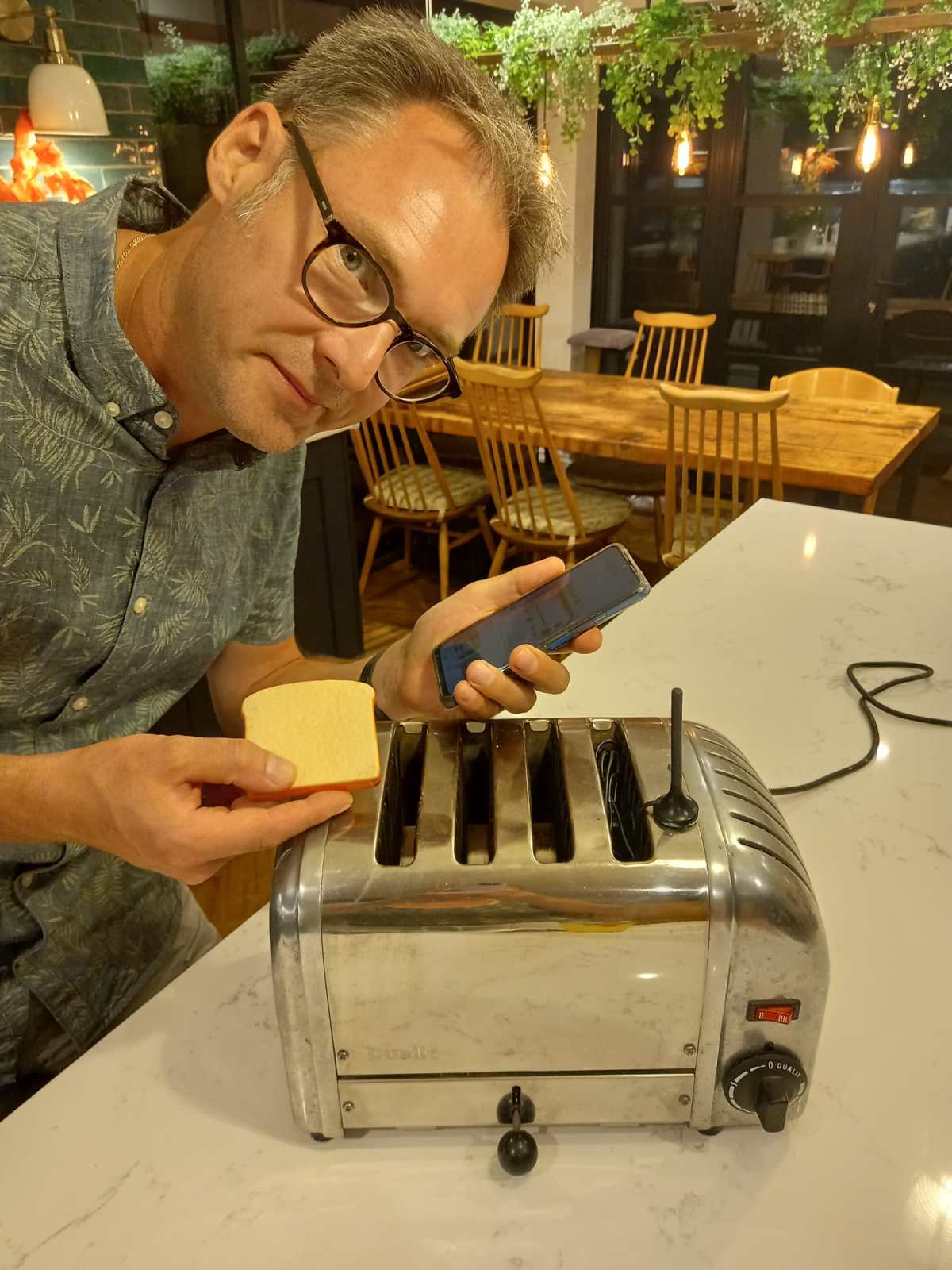
A good talking point with friends for sure, but a ‘connected toaster’ that links to your smartphone is probably not a good idea. The Internet bit inside will no doubt fail before the rest of the appliance, and how many WiFi devices do you think will exist in even 5 years? It’s therefore likely that something like this probably won’t last longer than a smartphone. And in my experience, these things are rarely supported by the manufacturer in terms of spare parts.  If they have any kind of post-guarantee support, it’s usually not economically viable to bring the item back from the brink.

How to wrap this up then? More than ever, it seems, we all lead busy lives and the vast majority of us are connected to various platforms via our phones, at some time. Indeed recently, on our family holiday this summer, I saw many people from all countries, busy on their phones, by the pool, at mealtimes and even in the sea, throughout the day. Now, I’m not saying that I don’t check my phone, but social media can be like a sugar-rush, addictive for many, and advertisers know this. This means that now, more than ever, it’s possible to link your likes, news, political interests, friends’ network and viewing habits to new products likely to match your spending profile. 

If you’ve watched environmental content on YouTube, or have bought solar energy for example, Google knows that you’re likely to be concerned about climate change. Many of us are.

I’m an aspiring optimist, and as a big believer in new technology and global, visionary projects, if delivered by our best engineers, I think we can at least help curb the negative effect we’re all having on the planet.

Eco-inspired, connected-products can make us feel like we’re doing our bit, but clickbait purchases of short-sighted lithium powered gadgets and cars, with limited or no support, can only be bad news.

If it works, and is useful, don’t chuck it out.  Maintain your stuff and enjoy all the life an item has to give.

The most environmentally sustainable and cheapest products out there, are probably the things you already have.

Matt.

PS, don’t forget to check out Retro Electro Workshop on UKTV Play.

Inside The Real Repair Shop 12

Matt shares his opinions on what he deems to be ‘pointless products’.

Pointless Products?

Hello once again from the workshop, and hasn’t it been a busy time?  Lots of interesting customer repair jobs to be getting on with; from cherished toys, kitchen appliances to printed circuit boards, all needing a little help.  Dividing my time between family, my main job and the workshop is always a careful balancing act, but somehow, I manage to keep on going. See the greying hair.

Since offering my repair skills to the charming people of Worthing and beyond, I’ve had to develop a quick-fire set of triage questions when trying to ascertain what the fault is and whether something is truly worth repairing.  Yes, not everything is worth saving, there, I’ve said it.  You weren’t expecting that, were you!

Sometimes, my repair skills are only worth investing in something, if the item has spare parts available.  It happens all the time.  And, when dealing with repair enquiries, I usually have to sensitively tread a careful line between diagnosing a fault on, say, an abused Shark vacuum cleaner which has been used to suck up paint, with the reality that not all spare parts are available for certain models. Yes, some new spares are available and yes, there’s always good-old eBay, but I hate to break it to anyone who loves their Shark vacuum cleaner (and I know that’s a few of you) that they are only really intended to last as long as the warranty.  Built with longevity and a sound back up network, they are not.  If you want a quality vacuum cleaner that can be repaired, buy the vacuum with the smiley face!

This all got me thinking about some of the other things that you might have been persuaded to buy for your home, but now probably regret.  This might be because the thing was too much of a faff to use, or, it didn’t last long or maybe that the cost didn’t justify the performance. So, I thought it might be fun to compile a list of rubbish items, that should have stayed on the drawing board, because quite frankly, life’s too short.

Maybe you have one of these five useless items, languishing in your home, gathering dust.

5. Popcorn makers

Honestly, what’s the point in an electric popcorn maker? Popcorn machines on the pier or at the cinema I get, but these diy-home-install pieces of junk shouldn’t be a thing.  “Relive that authentic cinematic experience with a freshly made bag of popcorn, all yours for around £20”.  Christmas Secret Santa present, check. Last minute, hastily-purchased gift for the wedding of a couple that don’t really like anyway, who only invited you to the evening do, check.  The reality is that they take ages to work, are very small and are very difficult to repair. And let’s face it, a ready-made bag of the stuff from Asda, tastes better.  If you must have the cook at home experience, use a lidded saucepan, a little oil and some kernels from the health food aisle.

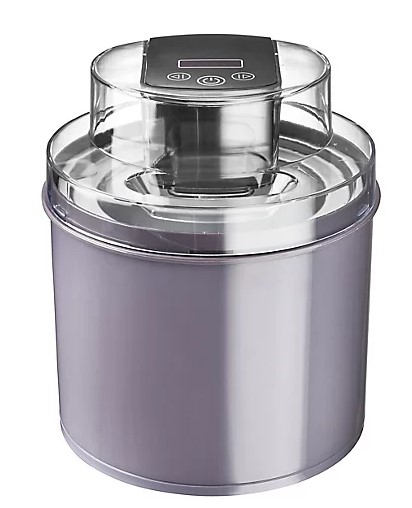
4. Ice cream makers

My personal favourite for “what’s the point”!? All you ‘kitchen show-offs’ can spend serious money on these things, and I’ve seen some models that can make ice cream in as little as 40 minutes.  Yes, 40 minutes -really.  Imagine the joy.  Kids party, going well. They’ve all eaten their sandwiches, all had their crisps, and all they now need is jelly. And ice cream. Well, the good news is that the jelly is all done, waiting in the fridge, but the ice cream maker, is still whirring away to its heart’s content for another forty bloody minutes, to produce a thimble full of substandard slop.  Sorry kids, you’ll just have to go without raspberry ripple today, but the good news is that there’s more carrot and celery sticks. Yay!

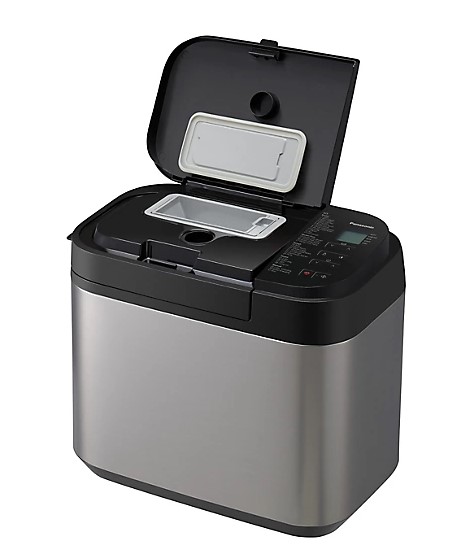
3. Bread makers

I actually bought one of these useless items back in the day, no doubt trying to impress a would-be lover with my fine artisan baking skills, using only the finest flours and grains from Lidl.  I even grew a beard to go with my new-found skills, but I quickly realised that the way to a girl’s heart, isn’t as a baker. Indeed, making baked treats this way, every day, isn’t that good for one’s love life.  4am starts in the kitchen to make biscuit-sized loafs is just plain annoying and ruins any notion of a romantic breakfast in bed.

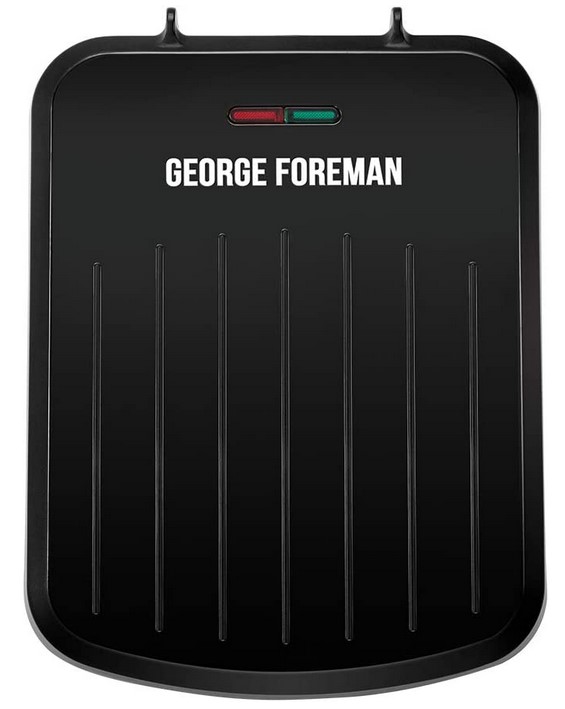
2. George Foreman Grille (other slab meat counter-top grilles available)

Now, I know that this will divide opinion.  For some, George’s famous meat grille has changed lives.  One can cook burgers, steaks and, well, anything meaty without an oven or hob.  They’re also cheap to run and great if you have a small kitchen.  The downside is that all that grease leaks out, they’re virtually impossible to clean thoroughly. See the mould and scuzz, the next time you use it. Yuk.

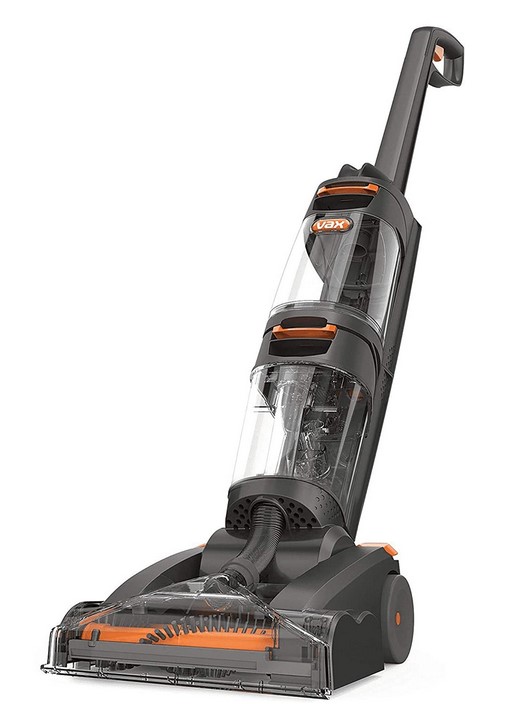
1. Upright home carpet washers

Number one was a tough call, but if there’s one repair enquiry I receive too often, it’s for these hideous contraptions.  I don’t fix them now as they’re just too troublesome, and the manufacturers don’t really support any spares provision. We all know the brand that I’m talking about. (The one that rhymes with ‘axe’). Maybe you’ve bought one?  Maybe you’re thinking of buying one, maybe someone loves theirs ‘so much’ and has recommended that you can’t live without one too.  Just get a hold of yourself. Stop. You don’t need one.  You’ll pay around £300 for a machine that will spend most of its time in the downstairs cupboard, leaking, until you get it out after a year to mop up Fido’s latest accident, only to find that the over-complicated mechanism is seized and to add insult to injury, you’re just out of warranty, Sir.

Do the sensible thing.  If you must wash your carpets, hire a decent machine when you need it, or get a professional in to do the work.  It’ll be cheaper and you’ll get a better result.

Well, I feel much better now.  I’ve been meaning to get that lot off my chest for ages.  Time for a cuppa don’t you think?  

PS, don’t forget to tune into Retro Electro Workshop, on Yesterday Channel (27) and UKTV Play, from Tuesday 18th July at 9pm. I’m on it (correct as of July 2023 onwards).

Inside the Real Repair Shop 9: Do we ever own our own stuff?

Matt takes a shallow dive into the notion of stuff, ownership and value. Something ‘light’ then.

You may recall adverts on tele and in the glossies a few years ago from prestige watchmaker Patek Philippe, often featuring a father and son relationship, implying that one never really owns one of their watches, but merely has custodianship of it until it’s passed on to the next generation.  That’s great for the son or daughter inheriting a posh watch at the appropriate time, but please spare a moment for the poor sod, still paying for it!  Anyway, this all got me thinking about our relationship with stuff.

I live in deepest West Worthing, Sussex, UK and we’re surrounded by charity, house clearance and general second-hand shops everywhere, amongst the upmarket coffee shops and tiny ‘living room’ pubs.  Could be a lot worse, I guess!  To ‘Magpie Matt’, it’s brilliant news, as I’m always on the lookout for interesting items, especially if they look like they can do with some tender loving care.  Don’t you seek out broken and damaged items?  No, just me then.  One can save a lot of money by buying second-hand, but it’s only good value if you really need it.  The downside is that I often return home with ‘a thrift shop bargain’ when I only popped out for a pint of milk.  Great for the local economy, but, I fear that our home office has become a museum for too many ‘interesting items’!

Matt with his sandwich toaster.
FixItWorkshop, Worthing, July’22 – vintage items and a relic(!)

There’s a backstory for every item for sale, and I often wonder if it would be interesting to list the narrative behind every charity donation, a bit like we see at those auctions for famous paintings and jewellery, so that the customer might form more of a connection with the thing. Probable madness and an administration nightmare of course, but indeed we expect it if handing over money for a genuine rare classic watch like a Rolex – it’s all part of the experience. Every pre-loved item has something to say, good or bad.

Ditching the ‘perfectly OK and fit for purpose’ stuff we already have is the issue I think, and in these increasingly cash-conscious times, can we do more to love what we already own to save money and the planet? It’s not always easy though it is as it takes time, care and, dare I say it, cash to preserve things for longer. Of course, I don’t want to come across like a preaching bore (insert objection here) – I do buy new stuff, I live in the real world, but I’m trying to love some of the old things I have for longer, with the scratches, faded colours, missing buttons, maybe it’s an ‘age thing’?

The more times that you ‘patch something up’, get something repaired, use something past its high-fashion status, you’ll form a stronger bond with it over time, believe me.

On a slightly different road, many of the things you threw away years ago are very much still here on Earth.  Think about the now collectable items you saw as junk at the time, but are now worth a mint, probably languishing in the side of a hill!  Until relatively recently, the world of waste was a murky business and, in many ways, it still is – and that’s a subject for another day!  So, unless you took the time to dispose of your old vacuum cleaner or hairdryer at a specialist scrap dealer back in the bad old days, the chances are that it still exists in some form, buried deep in the ground somewhere.

Remember Time Team on Channel 4 in the 1990s with Tony Robinson?  I can see a new version of that show in years to come, featuring the modern equivalent digging sections of landfill sites, unearthing an abundance of 20th Century, often perfectly preserved, now ‘classic’ items.  You never know, maybe one or two will still work?

So, where am I going with all this? Well, it’s the same old message I guess really. Hang on to your stuff, look after it, repair it if you can and love the signs of wear and tear.  This will give the item, however cheap, expensive, rare or mass-produced more worth, whether sentimental or monetary. When the time comes and no matter how ‘grand’ the thing, pass it on to someone else who will cherish it too, after you’re done with it. You never know that one day, your faded and battered sandwich toaster be serving up a slice of nostalgia as well as a yummy retro treat in 2060!  What a thought!

FixItWorkshop, Worthing, July’22, toastie anyone?

Inside the Real Repair Shop 8

From brand snobbery to The Queen – Matt’s talking about what lies beneath in some products and asks if they’re worth it.

Do you know a brand snob?  I bet you do. Maybe you are one yourself. Who knows, but let me tell you this; manufacturers and retailers have got you and me wrapped around their little fingers.  Of course, this is nothing new, and badge engineering has been going on, well, forever.  We tend to think of brand engineering as a relatively new phenomenon, linked to our fast-paced consumer led lives, but it’s just not the case. Indeed, preserved street food shop branding was found on previously submerged buildings in Pompeii, during a dig in 2020, having been previously covered by a volcanic eruption in 79AD. I mean, what have the Romans ever done for us‽

FixItWorkshop, Worthing – well, Pompeii – somewhere

Nowadays, a brand’s application, values, promotion and maybe even worship is a very sophisticated affair…see Apple’s iPhone! Allow me to explain. I might even make the odd reference to sustainability, repair and the forthcoming Jubilee, an odd combo I think you’ll agree.

Am I worth it?

A slight twist on a well recognised slogan there, but with a serious point. The well know French manufacturer of hair and skin care products that rhymes with ‘low-heal’ (sort of) sells high quality, well-engineered products at a premium price on the promise that said product will deliver benefits way above anyone else’s say, shampoo. And you can afford it, because ‘you’re worth it’, quite possibly the best marketing slogan of all time, in my humble opinion! However, they’ve been taken to task around the world by various agencies for making over ambitious claims about their products, which are potentially misleading. 

It’s something we need to think about when seeing adverts featuring famous film stars, endorsing the latest eyelash enhancing widget that they claim we all need in our lives. They don’t do it for the love and it must be said that one can have the same beautiful shining locks using a bottle of shampoo from Lidl.

Hang on Matt, what’s any of this got to do with repair or sustainability, anyway.  Good point. I must get back on track. But first…

Hands up; how many of you have bought a product on brand reputation alone?

I have, and I’m sure you have too, but have those purchases always lived up to the promises made on the packaging and propaganda that influenced our choices?  Sometimes. Here’s the thing though, many items such as toasters, kettles, TVs, lawnmowers, clocks, laptops, cookers, washing machines and irons (I could go on) are either similar or identical inside.  The makers’ mark, colour and name of the product may change on the outside, but the insides can be the same.

How do I know this?  Well, I must have opened up 1000s of products like this during repairs over the years, and have got to understand who really makes what.  It’s really nothing new and manufacturers have been doing it, since er, Roman times. Always in the interests of good value, I want to make sure I and others are not paying too much, if one must buy something new.

FixItWorkshop, Wothing, May 2022, A Smeg toaster in bits.

But how can you tell if two seemingly different toasters are basically the same without taking them apart, one at say £99, the other at £39? It’s very tricky. By having your wits about you and an interest in detail, can save you cash.  Pay attention to the position of the knobs, switches and dials and have a good look at the toasting slots especially.  If they look more than similar, chances are they were at least made in the same factory. At the end of the production line, one had an expensive badge applied, the other had the cheaper relative. If the expensive one comes with a longer warranty, then it may be worth it, if it doesn’t well, that’s for you to decide.

FixItWorkshop, Worthing, May 2022 – Queen in her trusty Land Rover Defender – or is it a Land Wind?

In other news, it’s the Queen’s Jubilee this year, and in case you didn’t know HRH is a big fan of the Land Rover, well, the Defender anyway.  As a lifelong devotee to one of most reverered motors of all time, maybe The Queen will be celebrating her time on the throne with a little bit of repair and maintenance by doing the odd oil change and tappet adjustment on her trustee motor.  Incidentally, the Land Rover marque is much admired and carries much kudos, so much so that manufacturers literally copy Land Rover vehicles in China, where intellectual property rights may not carry as much weight, in order to sell their cars. And that’s just another example of a brand’s power on the mind.

If you’ve read my articles before, then you’ll know that I’m a fan of good quality, simpler and supported repairable products.  In general, it means that one doesn’t have to keep replacing things like toasters every couple of years – wasting energy and materials.  However, in the interests of balance, some branded things are usually higher quality and perform better than the wannabes. Take a set of high-quality Bowers & Wilkins speakers or a Brompton folding bicycle*, both good examples of, repairable items made to last a lifetime. They may seem expensive in the first place, but will give many years’ service, perform well and still hold their value, when you come to sell them on.  Something to think about the next time you need to splash out.

*Not a brand endorsement, just an example.

As always, until the next time. Matt.

Inside the Real Repair Shop 6

If it looks like it might come in handy, then it probably will…

Rubber bands, toothbrushes and cat food

This time in the workshop, I thought I’d give you a behind the scenes glimpse into just some of my repair world, by sharing some of the shed-tastic-things that I do regularly to save things from the dump.

Before we start and without meaning to sound pompous, repair is sometimes a bit of an art.  When manufacturers no longer make something, or the part you need never existed in the first place, it can sometimes mean getting creative in order to make something function again.  This takes time of course and can even lead nowhere, but it ain’t half-satisfying when it all works out.  Google a problem and there’ll be a link, video or picture explaining an appliances’ issue and maybe a quick-hack repair (if you’re lucky), but it’s often the humble tricks of the trade, which breathe new life back into something. 

Hanging on to ‘useful’ repair nick-nacks also requires almost concerning levels of organisation, which can mean more expense on things like containers and storage. I’m allergic to more cost.  But by using ‘free’ packaging that comes with many everyday consumables, one can save cash by repurposing. Still with me, thought so.

As you might have guessed by now, I dislike waste immensely and will always do my best to avoid it.  So, here is my random, if not weird, top five cash-saving, waste-busting, possibly ingenious ideas even, that might just serve you well too.  And remember, if you don’t use any of the following suggestions for repair, there’s nothing like doing a bit of junk modelling to pass the time on a cold winters’ night.

Five – old toothbrushes

We all (hopefully) use them, but I fear that far too many only hang around in bathrooms. So, stop throwing them in the dustbin, when it’s time for replacement.  Why?  Well, where do I start, quite frankly.  Dirt and corrosion are the curse of many a broken lamp, bike and dust sucker. Toothbrushes make excellent cleaning tools by using the brush in small crevices, on bike chains, on electrical switches, or on vacuum cleaners.  I could go on.  Cut the brush bit off, and you have an excellent scraper, again, ideal for cleaning. Toothbrushes are usually made from high-grade plastics and have excellent properties. Many a time have I fashioned a plastic part from an old toothbrush handle.

It’s not just me finding new life in old toothbrushes. My good friends and fixing supremos, Danny and Karen Ellis (aka @menditaussie) in Oz, have also come up with some very useful re-purposing ideas. See video below. Give them a follow.

FixItWorkshop, Worthing, January 2022 – Featuring MendItAussie’s handiwork, with kind permission.
FixItWorkshop, Worthing, January 2022, Don’t forget your toothbrush.

Four – torn washing-up gloves

Stop sniggering at the back, old rubber gloves (the Marigold type) can be re-purposed for many useful things, where elasticity and waterproofness are two qualities needed.  I favour making rubber bands from them.  Yes, you heard correctly. The next time your favourite flowery rubber gloves spring a leak, why not cut the arm bit down into slices, and you have a healthy supply of rubber bands. I use rubber bands to neatly store appliance flexes, before customer hand-over, it’s just more professional. Neat eh?

FixItWorkshop, Worthing, January 2022, making rubber bands from old rubber gloves.

Three – take away pots and lids

Endless possibilities for these!  The plastic ones make excellent batch cooking meal containers for the freezer as many will know, but what you might not have considered is that plastic lids also make a really good base to cut out small plastic templates, brackets and covers for all sorts of small repair jobs.  Low-tech it may seem, but I’ve lost count of the times that I’ve made pretty decent replacement parts from old pots this way.  I’ve even made lamp shade brackets from shampoo bottles and cosmetic pots, which tend to be a bit thicker and can be used when a superior finish or strength is required.

Two – empty coffee tins

We’re all coffee aficionados these days, and manufacturers have responded to the market’s expertise and perhaps snobbiness with some very funky packaging. I love funky packaging and really enjoy the artwork and logos manufacturers have now put on these colourful tins.  They’re far to good to go in your recycling bin and can easily be rinsed out to make a handy storage container for all of those useful shed-trinkets. Many lids from Kenco and some of the supermarket-own coffee tins also fit regular tins of baked beans, tomatoes and cat food too, so save those lids to preserve a half-consumed tin of moggy grub. Waste packaging like this can even be educational! Coffee tins make excellent old-school string telephones for kids, teaching them how sound can be transmitted.  Cool eh?

One – a drinks can

Hopefully you’re not disappointed by the number one slot. I have been known to walk the streets in search of an old beer can if I have non in stock, for a repair, they’re that good! They’re usually made from aluminum, so won’t rust, are strong, abundant and effectively free. 

Using a pair of scissors or sharp knife, spacers (shims) and washers can easily be fabricated on your kitchen table, but do take care as the metal edges are always sharp. I’ve often used a can in this way to make a scooter steer correctly or a lawn mower switch on again. Material is sometimes lost as moving parts wear.  Sounds familiar right?  Sometimes, a small trimming of can metal, in the right spot on a broken item, is all you need to make the difference between bin or box fresh.

FixItWorkshop, Worthing, January 2022, old tins can come on handy when repairing things like scooters.

Just remember: Cutting things out involved knives, scalpels and scissors and any sharp implement that might come to mind. Once the item you need is cut out, that might be sharp too. So, take care and take your time.

Right to repair or despair‽

Right to repair laws are a good thing on the face of it, but don’t go anywhere near far enough to give the public back control over their appliances.

As you might expect, I’ve been keeping a weather eye on our neighbours in France over the last couple of years and was pleasantly surprised when they announced a Repairability Index scheme, on the 1st of January 2021, the first European country to do so.

The scheme in France will make it easier for consumers to assess the longevity of some products on the market. But I nearly choked on my custard cream, when the UK Government announced a Right to Repair bill for UK consumers, which came into force on the 1st of July 2021.  The news report made it sound as if a magic wand had been waved by the Brits, and that all our gadget maladies had vanished.  Sadly not.

There’s always a backstory to any announcement like this, and the new UK ‘right to repair’ laws, are on the face of it, a good thing. However, don’t for one minute that the new laws passed will help the public directly.

The laws will make it compulsory for manufacturers to provide spare parts and documentation to professionals, whoever they are, for at least ten years. Consumer items such as TVs, fridges and washing machines, will in theory, be given the opportunity to last longer.  But there are problems, and here’s why. The legislation doesn’t specifically cover planned obsolescence, parts prices and consumer accessibility or product durability. These are all issues generally accepted as the main barriers to repair. Let me explain.

During the many years I’ve spent locked away securely in the workshop, I’ve regularly been presented with items which were designed, made and sold with no attempt on the manufacturers’ or retailers’ part to design-in repair. In other words, many items that I see are not meant to be repaired at all, and there’s usually no support network in place, when the product is out there in circulation. Sometimes I can fix these things, sometimes I can’t and many-a-time, I’m working without certainty. Over the years, I’ve built-up knowledge on certain products and have a working knowledge of various spares providers for many items, but this trainspotter knowledge, isn’t easy to acquire. It takes many shed-years and a limited social life.

Items such as complicated coffee machines and toasters do have some spare parts available, sometimes long after they’ve gone out of production, but prices for spares are often so high that repair might not be cost-effective.  I once attempted to repair my own UK made Triton shower as the heater inside had failed.  The shower was 10 years old and parts, were available here in the UK, for delivery next working day.  Price of a replacement boiler £80.  Price of the same brand-new complete shower from Screwfix, £50 with a new warranty.  Now, as much as I’m passionate about repair, I’m not daft.  I had a bath instead.

The new legislation, which is regarded by me and others in repair circles, is a step in the right direction and certainly highlights the current issues around our throwaway society. But it doesn’t scratch the surface of the problem. Not even close.

A true Right to Repair would enforce proportionate parts prices, sensible repair accessibility, free documentation and accessible repair support from manufactures and retailers directly to consumers and independent repairers.  Luckily though, there is good news.  Repair initiatives such as therestartproject.org, repair.eu and the Repair Café movement are actively campaigning, organising petitions and actively lobbying governments for change, and you can get involved. Repair Cafés operate in my own area of Adur and Worthing (Sussex, UK) and are home to dedicated repairers and tinkerers.

And there’s more good news. Over the last 20 years or so, eBay has revolutionised the second hand domestic goods parts market. If you need a cost-effective part for your vacuum cleaner, coffee machine or washing machine, you might just find the part you need online from parts breaker, on eBay. I’ve saved many a vacuum cleaner using a second-hand motor for a tenner and recommend it, if you know what you’re looking for and have the nerve. If the government is serious about right to repair, the circular economy and its goal of reaching net-zero carbon emissions, the process needs to include all stakeholders. Honest and transparent consultation with robust legislation that includes the second hand parts market and the home repairer is the only way to truly gain back control of our appliances.

Matt, July 2021.

What’s in your man-drawer?

I discuss some basic tools that should be found in every home…

I think it was Michael McIntyre who first referred to the man-drawer as ‘the funniest drawer in the kitchen’, full of all the ‘that’ll come in handy items’ that we accumulate over time.  It’s brilliant observational comedy, and he nailed it so well that today, we often refer to the ‘man drawer’ as a thing in our homes.  The reason that the joke still resonates today is that it’s true.  But, what should be in a man (or woman) drawer for the conscious home maintainer?

Toolbox talk!

I want to talk about the tools that I think every home should have. Tools that could empower you with a fighting chance of having a go at fixing something yourself. The tools that will help you get the best from your appliances, make things last longer and help save you money.  If you already have a good selection of tools, skip the next paragraph and head straight to the ‘common jobs, useful tools to have’ section.  If not, do read on.

Let’s bust some tool-related myths. Firstly; tools are expensive.  Sure, like anything in life, you can pay through the nose for a set of screwdrivers or spanners if you want to, and there’s a tool quality to suit all circumstances and pockets.  But here’s the thing, for most DIY purposes, a reasonable set of basic screwdrivers costs less than a tenner and the best part is that you’ll get that money back again and again when they’re put to use.  Secondly, you need to be an ‘expert’ to use tools.  Well, a knife and fork are tools and we all (hopefully) use those, so don’t be deterred by people who might dissuade you from tackling jobs yourself.  I’m wary of the term ‘expert’ anyway.  In my experience, experts are a rare thing. Luckily, these days, most of us have access to YouTube.  Search for the thing that’s foxing you and the chances are that one of the 2.3 billion users have an answer. 

Before you reach for your phone to fix a dripping tap, if you haven’t got some already, you’ll need to arm yourself with some basic tools.  Below is a brief summary of tools I think every home should have and what I think they can be used for.  Some jobs are obvious, some less so.

Common jobs, 6 useful tools to have

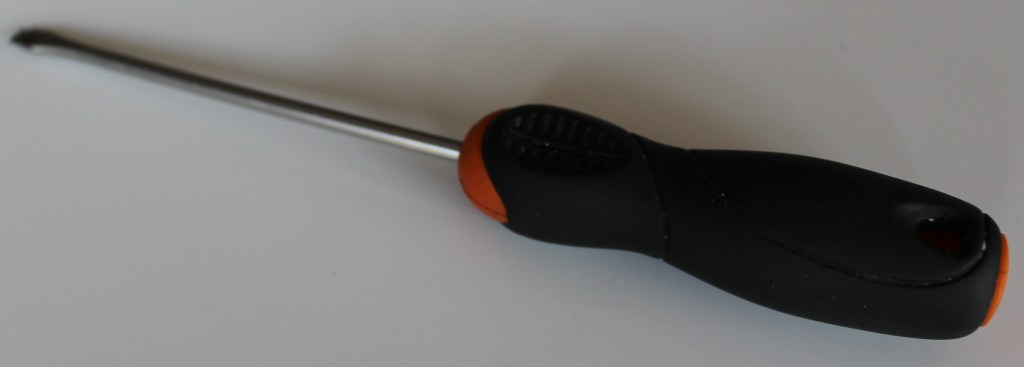
1:  Small flat-blade electricians’ screwdriver. I think it’s possible to write a thesis on the usefulness of a small flat-blade screwdriver, but I’ll spare you that for now.  For small change, you can buy one and use it to: Wire a plug, adjust light fittings, get batteries out of a gadget, scrape-off old paint from a surface, prising something open, cleaning nooks and crannies. A screwdriver like this has uses beyond screws.

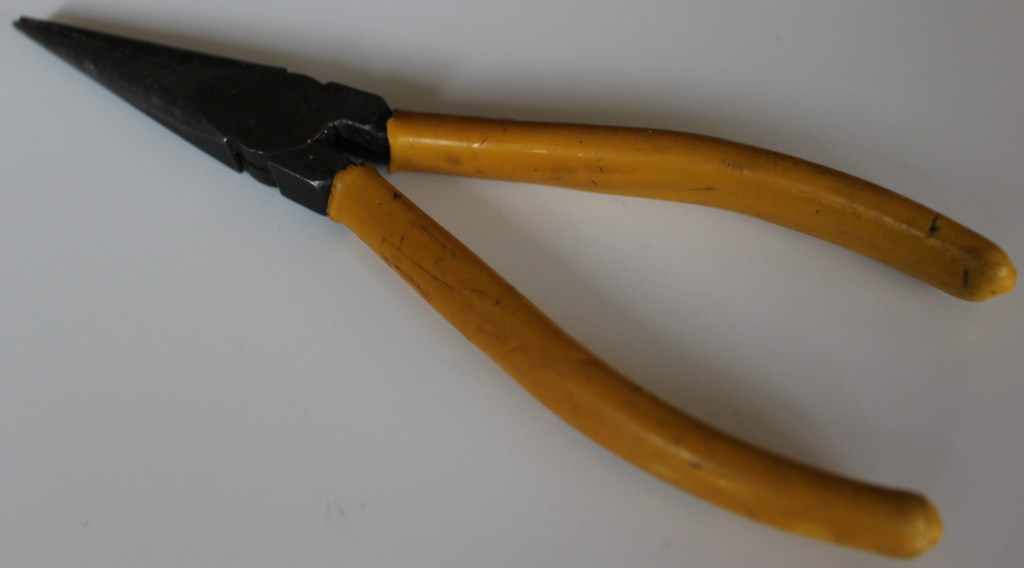
2:  Pliers and cutter combination tool.  Really useful for cutting and shaping garden wire, fixing Christmas lights, fixing kids toys, recovering items that have ‘fallen down a gap’ not forgetting cutting and trimming wire.  If you have a bike, a lawnmower, taps or doors in your life, then you need pliers and cutters as adjustment of those items will be needed from time to time.  Do it yourself, and you’ll save yourself time and money.

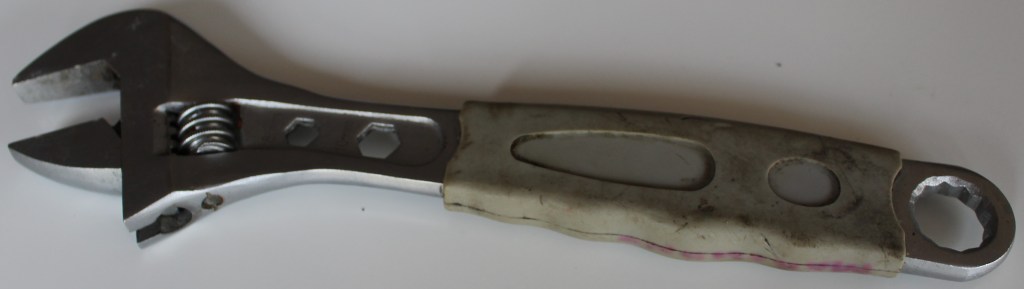
3: Adjustable spanner. If you don’t have space/ need/ cash for a full spanner set, consider an adjustable spanner instead.  OK, so they’re not ideal for regular nut-spinning, they are useful for those less frequently required tasks such as; adjusting a bike saddle, tightening a tap and adjusting a radiator valve.

4:  Cable ties and electrical tape. OK, not strictly tools, but honestly, I can’t think of more useful tool/fixings to have in your own man-drawer.  Cable ties and electrical tape has a million uses, are cheap, readily available and can fix so many things either temporarily or permanently including; tying cables, mending a broken handle on a hoover, fixing a backpack strap, mending a buggy, making a hook loop, tying a door back.  I always keep both in my mobile tool wrap to fix something, on the go. Get some today.

5:  Screwdriver set. If you’re going to tackle more jobs around the home, invest in one that contains at least; big and small flat blade screwdrivers and large, medium and small cross-head screwdrivers. From kitchen appliance maintenance, kids toy adjustment, door hinge fixing to furniture assembly, a basic screwdriver allows you to keep things running for longer and to do the job properly.

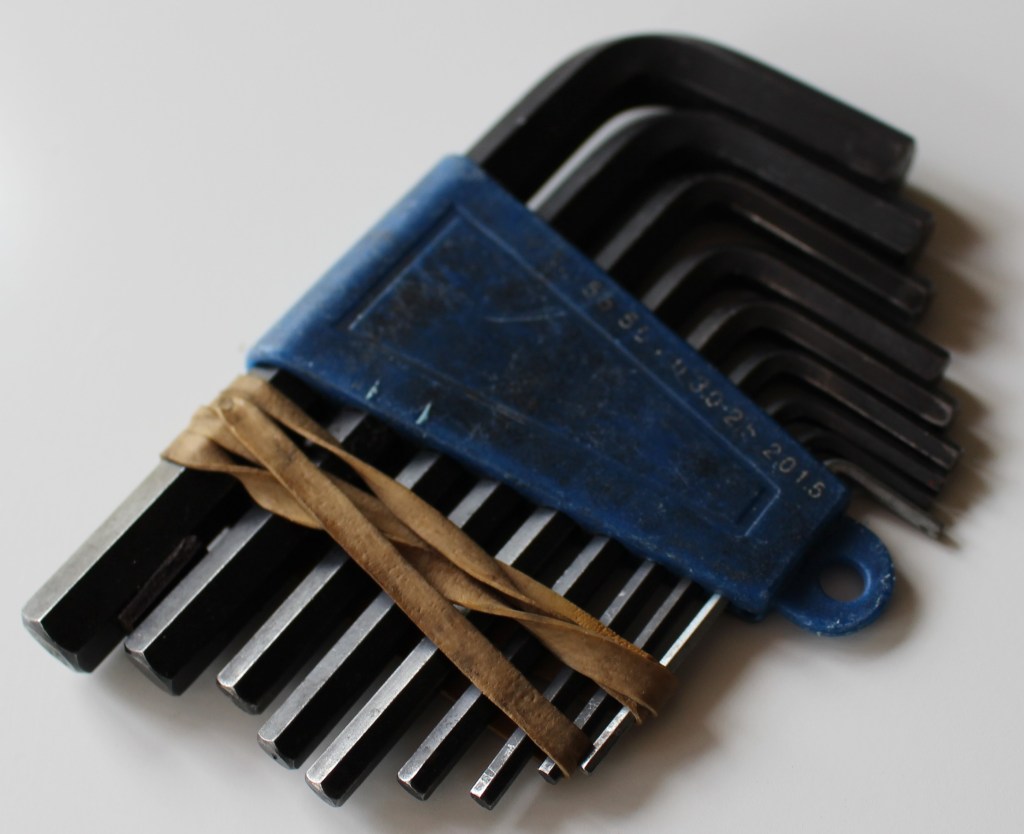
6:  A small set of Allen keys.  Allen ‘hex’ screws are used on lots of things now including bikes, home appliances and children’s toys. As with the other tools mentioned here, you don’t need to spend a lot of money to get a set of keys that will open many common household objects.

Don’t worry if you don’t yet have the knowledge to fix your coffee machine, just a quick search on YouTube will show you how to remove the doofer to access the widget to clean the thingy. Using a few of the aforementioned tools will allow you to complete the job like a pro, saving you cash, saving the appliance from landfill and giving you the power to do more.  Just remember to unplug from the socket first.  Tools also make excellent gifts, so the next time you’re wondering what to buy a loved one, have a sneaky peek in their man drawer, make a note of what’s missing for your gift list.

Until the next time… Do you have a DIY fixing related matter that you’d like me to explore in this section?  If so, please get in touch.

Inside The Real Repair Shop 4

Free to take, but who bears the cost?

This time, I want to talk about something that’s seemingly become the norm for many streets up and down the land (in the UK for people reading this elsewhere).  The ‘free to take’ trend has arrived from somewhere, and I can’t quite put my finger on why it’s happened.

I have a few working theories, that I’d like to share with you.  Indulge me for a few minutes if you please.

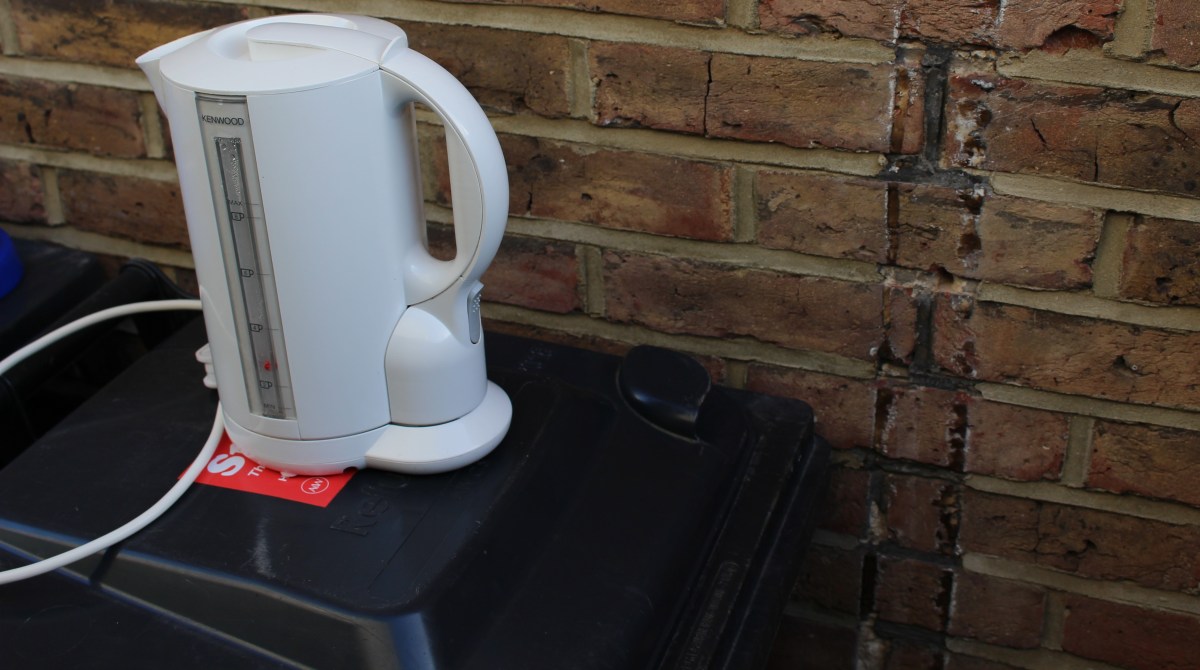
With UK-wide social restrictions still in place and most of the high street closed at the moment, many of us are taking more walks locally to spend time, which isn’t only good for our health, it’s also much, much kinder on one’s wallet. Whilst out walking, have you noticed how many households leave small appliances and other domestic items out on the pavement on-offer to passers-by? I have. To be honest, I never know if the items are fair game, or if I should ask permission before taking something.  Whilst mulling this over, during the past few months, I’ve decided that it is OK to take discarded items, if it’s obvious that they’ve been abandoned and that I can do something useful with them. I suspect that there are many reasons why items are being abandoned like this, and I’d like to share my thinking with you.  If you’re still with me, I hope you’ll find it interesting.

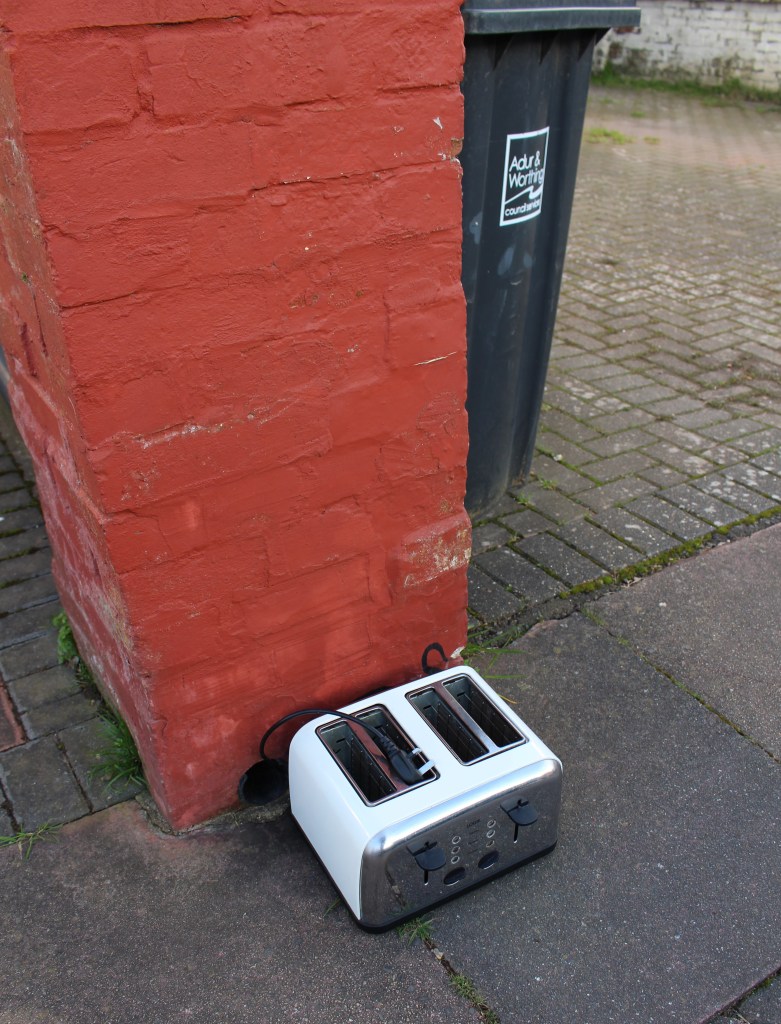
FixItWorkshop, Worthing, March’21. An abandoned 4-slice toaster. It tested OK and looked in good condition after a wipe-down. Maybe it didn’t match the original owners’ colour scheme?

This year so far, I have acquired a cordless kettle, a 4 slice toaster, and two Dyson vacuum cleaners.  Why you ask? It’s a good question, but before I go in to why I think they were all left out for ‘Magpie Matt’, here’s another thing;  The kettle and the toaster worked perfectly, with a clean-up. The two Dysons needed thirty pounds’ worth of spare parts between them.  When new, the vacuum cleaners would have been worth about £300, each.

FixItWorkshop, Worthing, March’21. A Dyson vacuum cleaner left out by a bin, waiting for some love and a replacement (second hand) motor and upright chassis, all for under £20.

So, why do folk do it? Why leave items out, working or not, for others to take for free? Here is a list of possible reasons why.

FixItWorkshop, Worthing, March’21. The replacement motor required for the Dyson was under £10 and the plastic chassis required was £10. MUCH less than the price of a new machine and surely MUCH better to fix this otherwise working order machine and save it from the crusher.

1  Folk just get bored with an item, and see so little value in it any more that they want to get shot of it quickly but feel, possibly with some guilt, that they should give it away, rather than disposing of it. We’re bombarded with advertising that tells us to replace things often by retailers and manufacturers, so it’s hardly surprising that some people feel this way.

2  It won’t fit in the bin.  General waste bins should only ever contain non-recyclable plastics, polythene, some packaging, kitchen waste and a sprinkling of dust.  However, take a look at your street on bin day, and you’ll see other items poking out from under the lid. Vacuum cleaners don’t usually fit in a 140 litre bin, which could explain why we see them on the pavement, from time to time. The local amenity tip is an option for the responsible owner when looking for a place to offload items, but if you don’t own a car, the whole process can be a bit of a chore.

3  The value of the item, which may have broken is now low and not worth repairing or the expected cost of repair outweighs the cost of replacement.  This issue is as wide as it is long and could easily form the basis of a master’s degree.  I simply can’t do this point justice here.  What I can say here is that the value of a broken item, which might be repairable is often zero, many manufacturers don’t make enough effort to support products in-life and there are limited repair and knowledge opportunities for people locally.

Obviously, there’s more to it and these are only three examples of drivers that can influence what happens to an item, after it’s become useful or has broken.

However, there is hope. Repair Cafés have become very popular across the world, and we’re very lucky to have at least two well-run (Repair Cafés) in the Adur and Worthing area (UK). I believe that the BBC’s very popular The Repair Shop is changing attitudes too, and it’s theme of keeping things longer with repair and restoration is a winning formula. Indeed, my own waiting list for repairs grows longer by the day. The French Government recently implemented a scheme to appraise repairability on items sold there, and it was revealed recently that the UK Government plans to do similar.  I’m watching progress with a beady eye.

If you’ve been following my articles here, you’ll know that I advocate keeping things for longer, with good maintenance and the odd dose of repair. It’s usually kinder to our environment, our wallets and helps slow the march of discarded items going to landfill, which is better for us all.

What’s the strangest item that you’ve seen abandoned? Please get in touch- maybe this could be a new feature!

Bagpuss, oh, Bagpuss, oh, flat battery cat puss…

A much loved soft toy gets new (apparently non-replaceable) batteries…

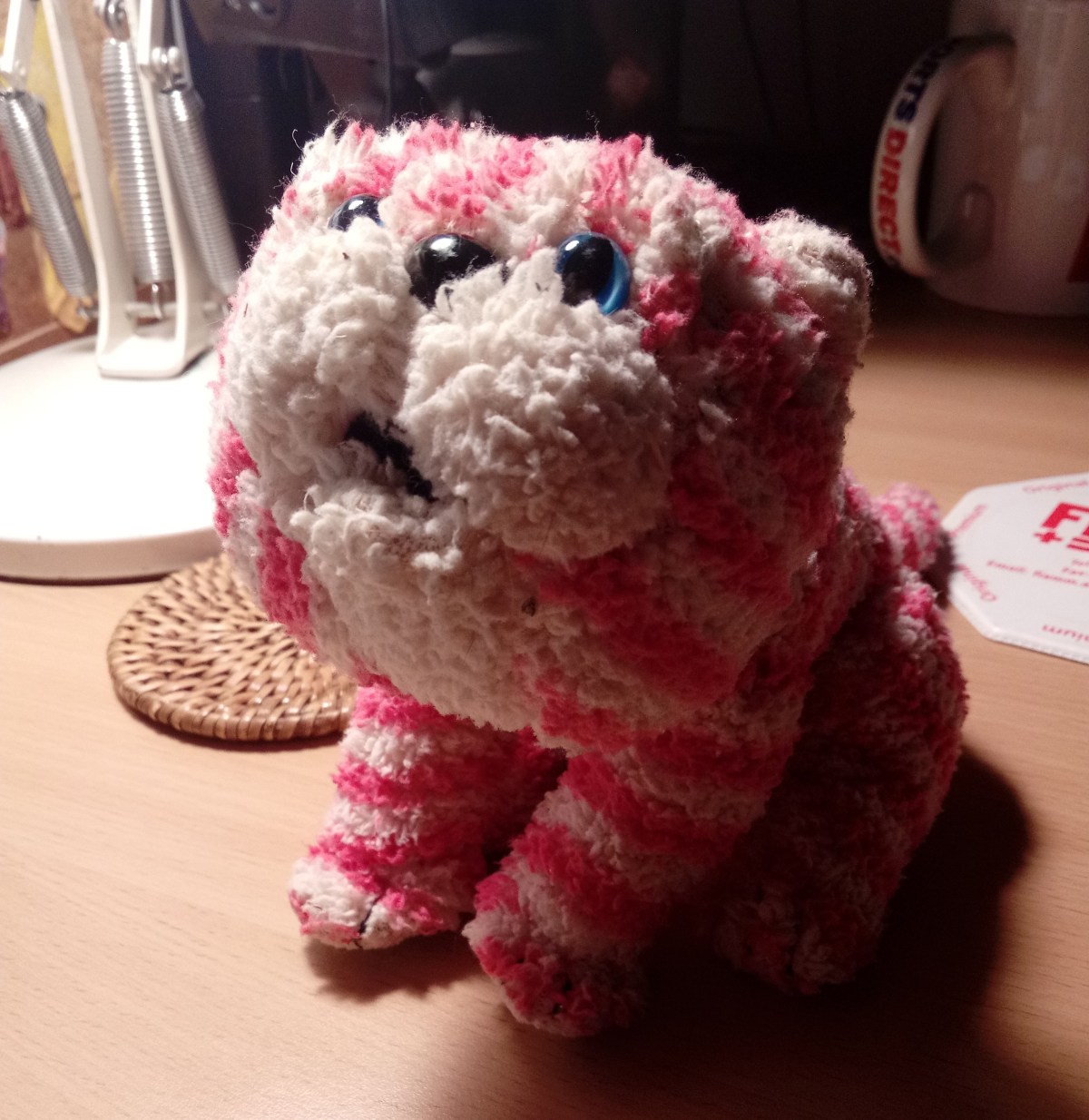
For a change, this one’s just for me. I don’t often write-up repairs on my own items, but I couldn’t resist dedicating a few words to our beloved Bagpuss soft toy. He’s been around in the family for a good few years and when my youngest daughter decided to dust him down and make his voice work, I wasn’t surprised when no noise came out. Our Bagpuss has an electronic voice box which is activated with a gentle squeeze around the belly. After many years and many hugs, the batteries had gone kaput.

I grew up in the 1980s and remember watching Bagpuss on BBC1. I must have been about four I guess. Bagpuss lived in a shop window, a shop that was owned by a child, a shop that didn’t sell anything. Emily, the shop owner, would bring Bagpuss and friends broken objects to restore and explore. The story would begin once Emily had left and Bagpuss woke up…

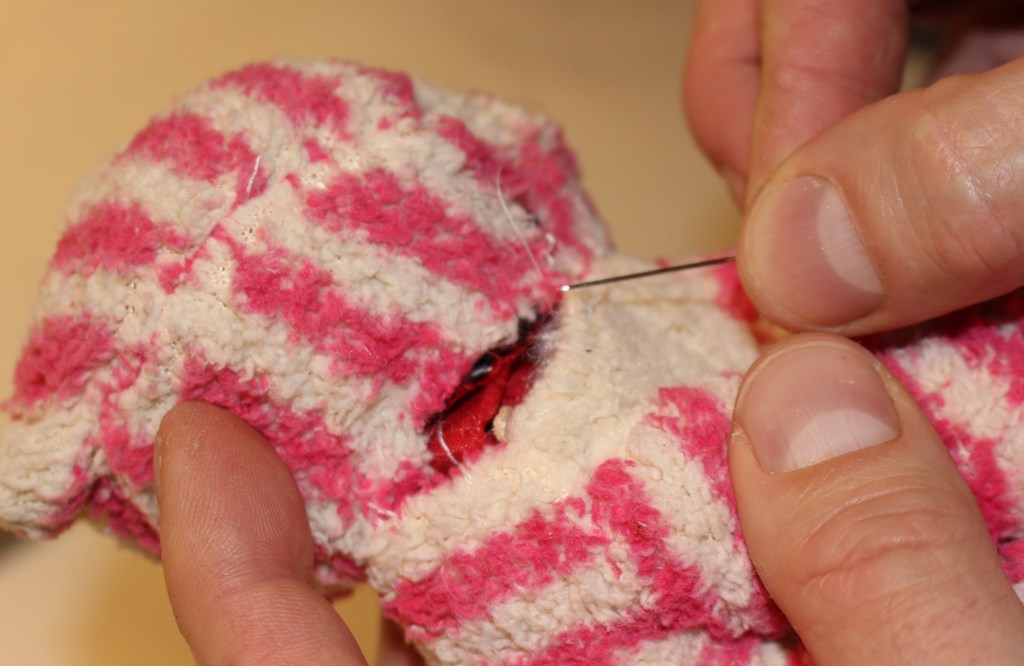
Well, this Bagpuss wasn’t waking up anytime soon and to make matters worse, the batteries within appeared to be non-replaceable. Well, that’s not very good is it? So, in the spirit of the original TV program, I decided to take an unpicker tool to the cat and carefully dismantle his seams…See how I get on.

Make and model: Bagpuss talking toy

Fault reported: No talking, no sound

Cost of replacement machine: £10.00 if you can find one

Manufacturer support (in the UK): 0/10

Cost of parts (for this repair): £1.00

My time spent on the repair: 1 hour

Tools needed: Needle and thread, small flat screwdriver

Sundry items: None

Cleaning materials: Contact cleaner

Repair difficulty: 2/10

Beverages: 1 tea (as usual)

Biscuits consumed: No biscuits, just a slice of chocolate cake (I think)

There’s always that moment with a fix like this when you think; shall I just leave it as it is? I mean, it was still a loved toy right? But as my regular reader will know, that’s not quite how we do things in the workshop. Things must work correctly and if there’s a reasonable chance of success, then the repair must go on.

So, here it goes.

I knew that this Bagpuss ran on batteries, but had no battery compartment to gain access etc. He’s a soft toy, made from a mixture of polyester and cotton fabric, which is all neatly stitched together. All I could do is roughly locate the sound box within his chest and neck area and then chose a suitable seam to unpick, in the hope that it would allow me some access to the box without causing too much damage.

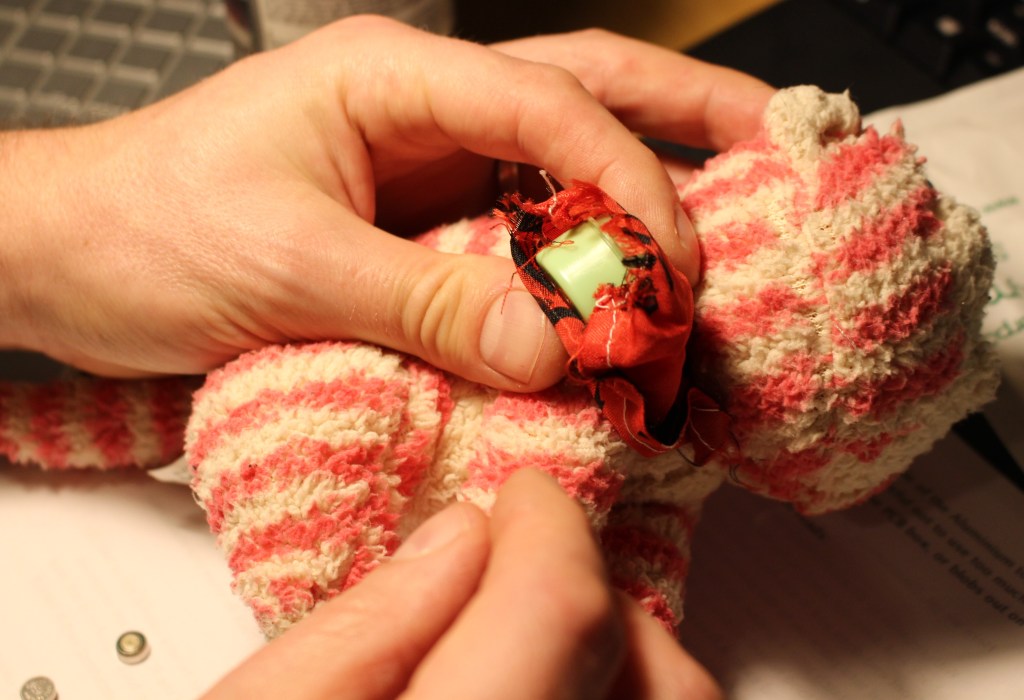
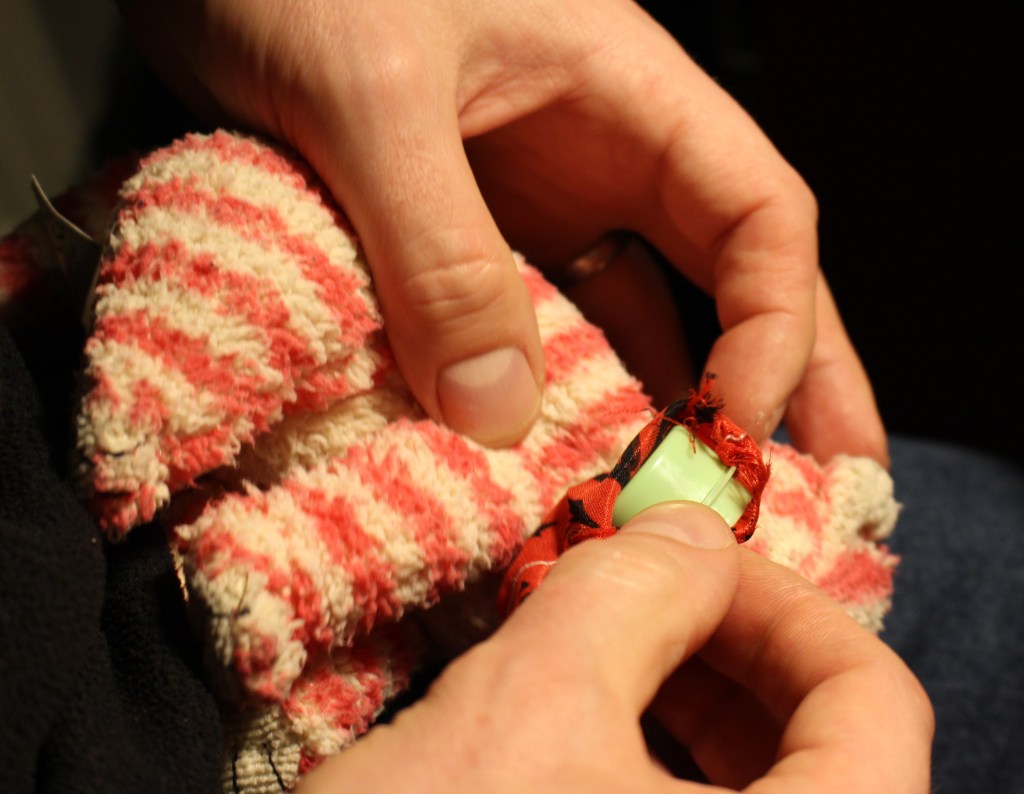
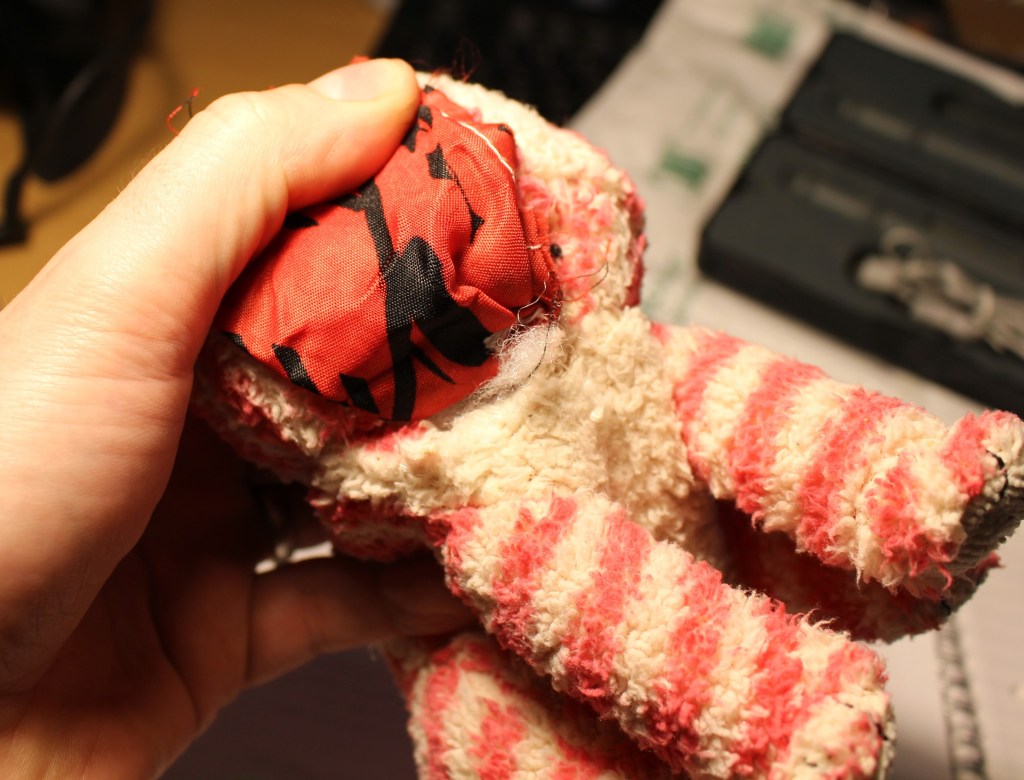
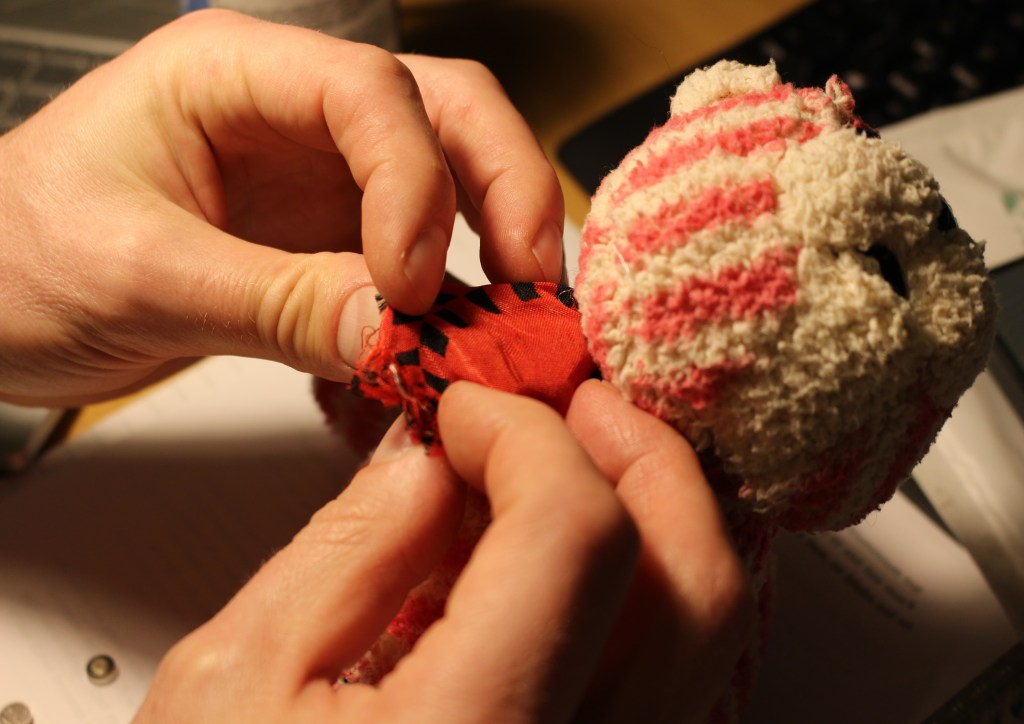
Using a standard stitch un-picker tool, I was able to gently cut into the neck and part of the chest area which gave me access to a small red and black smooth polyester bag, which contained the voice box. At this point, I was starting to feel a bit sick, I mean, what had I done!?

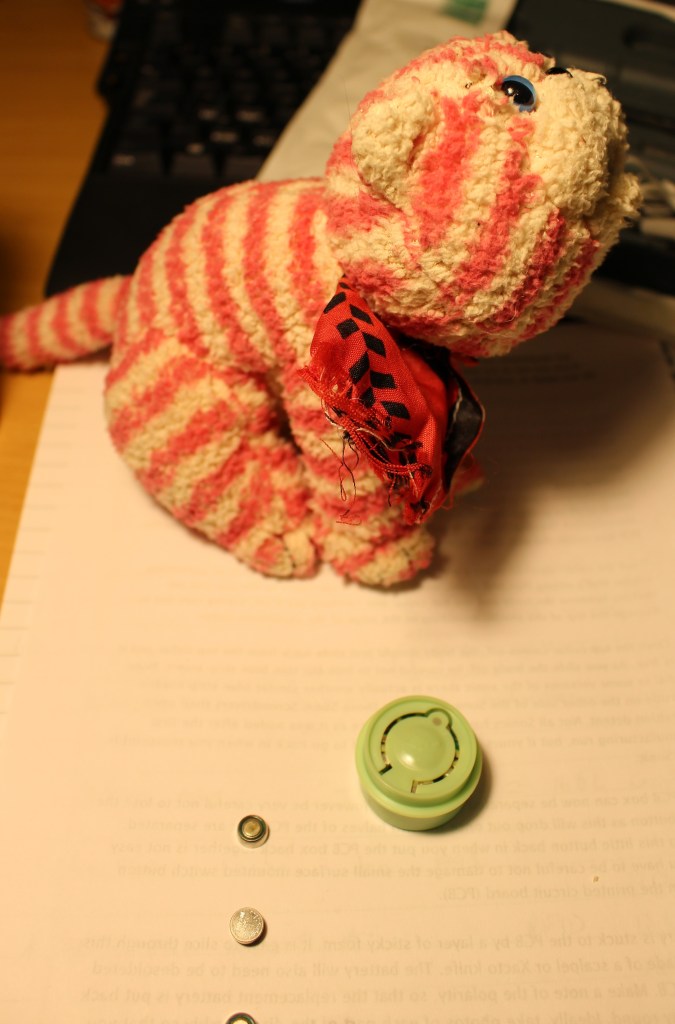
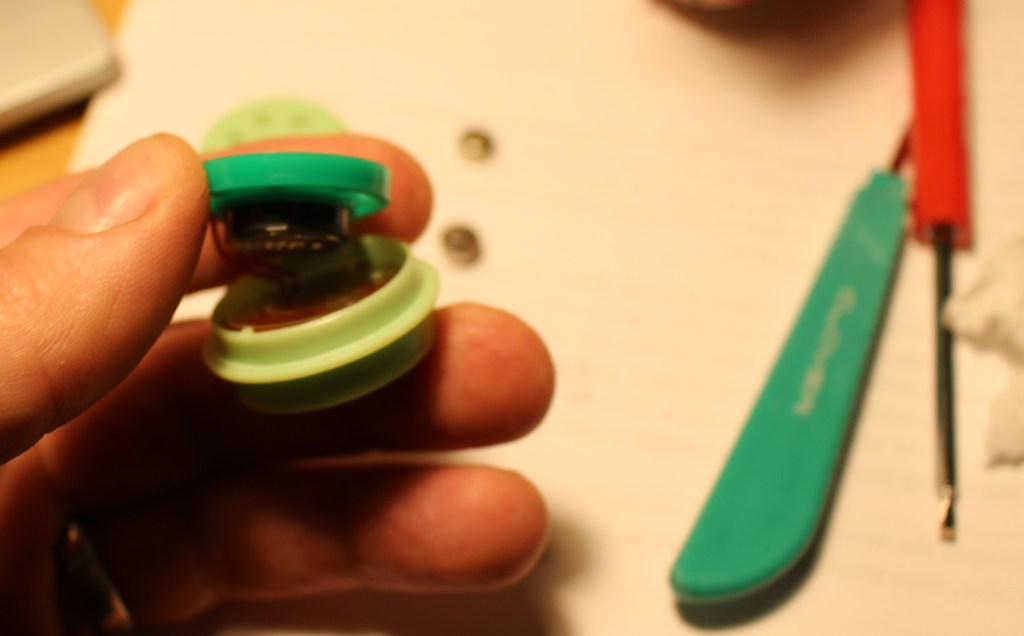
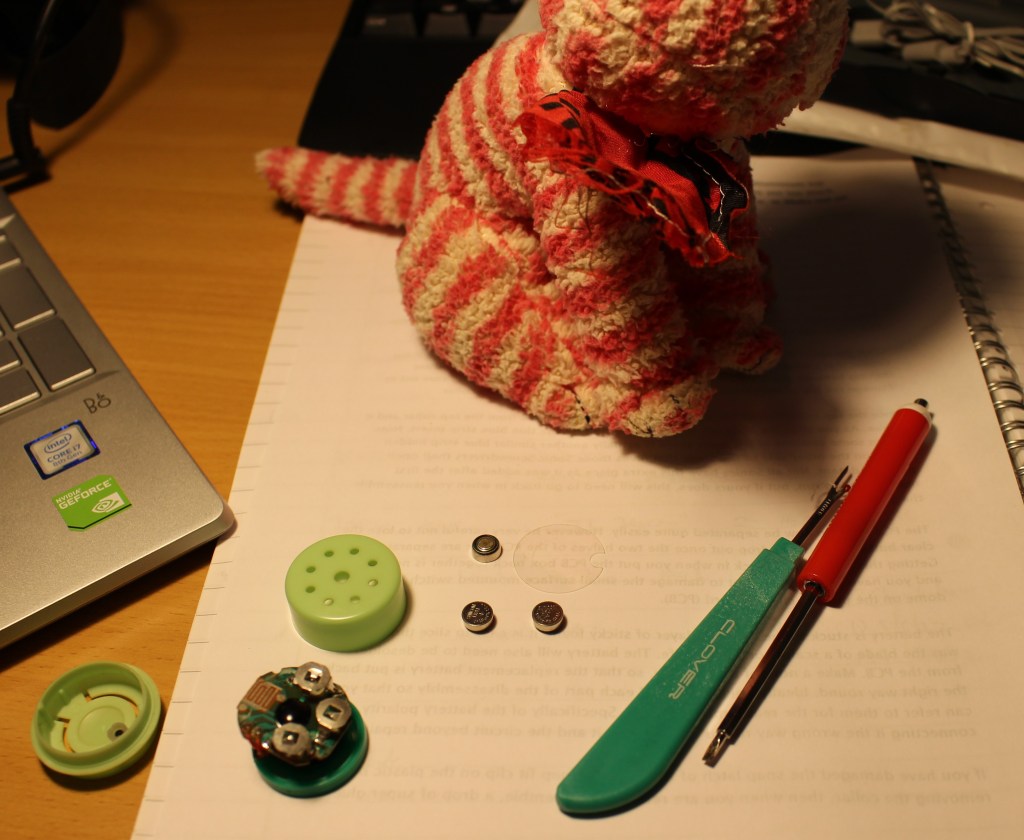
Moving on, the voice box just slide out of the red and black bag and from then on in, it was standard toy-fare. The plastic voice box had a switch on one side and a battery compartment on the other side, all perfectly normal. The battery door was held in place with a small screw and once removed, revealed three LR41 coin cell batteries. Very normal stuff, nothing non-replaceable here.

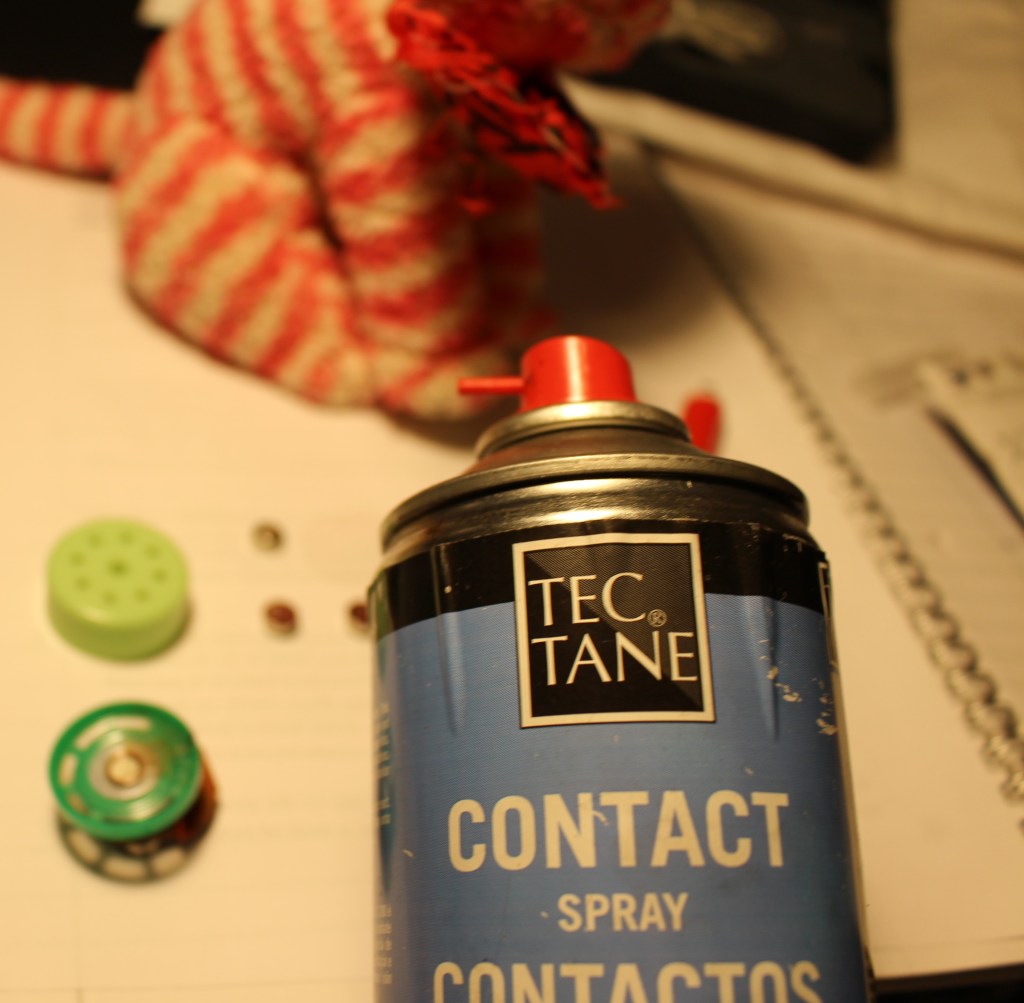
Luckily, I had some spare batteries in stock and with a little contact cleaner applied to the slightly tarnished battery contacts and the new cells fitted, Bagpuss’ voice was heard for the first time in ages.

Now it was just a case of putting the voice box back in the right place, so that the switch to make the sound work could be reached easily. Once that was done, it was just a case of carefully re-stitching the neck and chest bag together using white cotton thread and lots of neat tack-stitches that would be invisible, once tight.

After a few minutes of finger-pricking sewing, Bagpuss’ head was back on and it was time for a squeeze…

See what you think.

When a label or someone tells you that a battery cannot be replaced, ignore it and try anyway.

Once Bagpuss was back together, I couldn’t help but wonder why the manufacturer hadn’t fitted a hidden zip to allow simpler battery replacement. Perhaps it’s got something to do with safety standards. Who knows. What I do know is that Bagpuss isn’t alone, and I suspect that many toys like this are discarded needlessly each year due to short-term, lazy design.