
Inside The Real Repair Shop 11: Lego, Radios and Allegros

This time, Matt talks about cars on fire, tinkering and repair education.

Festive greetings from the workshop and well, hasn’t the year flown by?

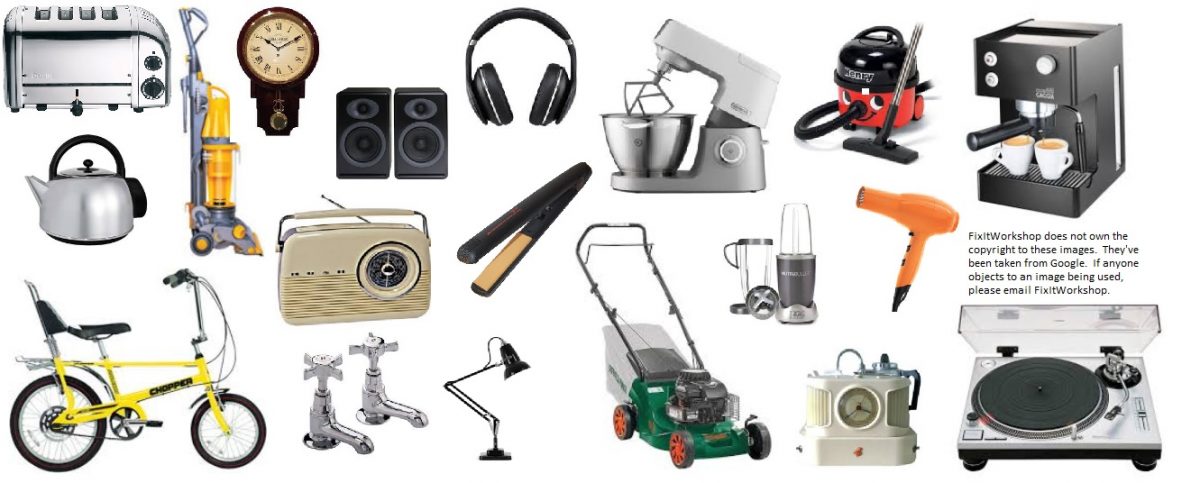
As some of you know already, repair work is a bit of a side-hustle for me, and it’s something I’ve enjoyed since I was a child. Seriously, I would dismantle my parents’ vacuum cleaners, radios, clocks and later, the family car’s engine. Things sort of got out of control when I set fire to my uncles’ Austin Allegro though by muddling up some dashboard wires. Fortunately, the Allegro was made of stronger stuff and survived my handy work, despite a few scorch marks. Anyway, what were they thinking, letting an 8-year-old work on a car unsupervised!

For me, a long-long time ago now, a Fisher Price handyman set turned into Lego building and craft play using old washing up bottles and loo rolls. This turned into blowing up electronics kits, which then moved on to building bikes and cars.  As a late teenager, I then got an apprenticeship with BT and studied while I learned about telephone exchanges and communications technologies. All of this might explain why I was never picked for the school team. You can’t have it all, I guess.

Playing with Lego and kits from Tandy (remember them?) for me as a kid definitely helped me to have a positive approach to repair and to not be fearful of getting it wrong. We only really learn from mistakes, of course. And I was lucky to have people around me at the time who were (mainly) happy with me dismantling household things with real tools, taking risks with real appliances and building weird inventions in the kitchen. But it wasn’t all good-humoured in our house! I still remember getting a stern telling off for dismantling a Mini carburettor on the draining board, next to the family’s drying crockery. My mum was upset with me for some reason.

Where’s all this going anyway? Well, as an adult who sometimes acts all grown-up, I’ve since had time to reflect on this maybe unusual set of circumstances, which ultimately lead me to where I am now in Worthing, at 44 years of age. I make no apology for being a pushy parent to my two daughters, encouraging them to create and build stuff; from toilet rolls and sticky tape to their increasing collection of Lego sets, or are they really my Lego sets? I want my kids to learn as I did, the joy of building, testing and usually failing to solve problems. It doesn’t always work like that, but you know what I mean.

I get a wide range of repair enquiries in my inbox, from Kenwood Chef restorations to lamp re-wires to kids’ toy repairs, many enquiries with interesting back-stories too. But sometimes I just can’t take on a repair if I feel that it can be done by the person enquiring. For example, fitting a new plug to an appliance, which I feel, if needed, should be attempted by most folk. The main issue affecting many people, and therefore preventing them from tacking the job themselves, is a lack of confidence. I see it all the time, from vacuum cleaners that just need minor adjustments or cleaning, to lamps that only need a new bulb.  When people ask me to do repair work like this, I’ll always give them the option to do the work themselves first, with some guidance – which probably isn’t good for business, but will ultimately help that person to maybe help themselves.

Of course, as adults, there are local repair cafés, DIY college courses and YouTube that can help any budding diy’er, but to be truly repair savvy, I believe that one must start their learning younger and begin through play and the classroom.

In this article, I wanted to share some of my educational thoughts on repair.  Appliance repair and general household maintenance isn’t covered as a subject at school (in the UK) to my knowledge, and as we make it to adulthood, we’re just expected to figure it out for ourselves or ask someone else. The closest we get to repair work in secondary school is in Design Technology, but hoover teardowns and rebuilds are not covered.  Is this because it’s perceived as unglamorous, basic, simple work, I wonder? Perhaps it’s something I’ll take up with the current Education Secretary, although I’ll have to be quick, as it may all change next week! In all seriousness, our education system needs to encourage practical self-reliance, encompassing repair, if our government is truly serious about sustainability and our environment.  In the same way that secondary school mathematics should include topics on mortgages and loan applications, technology subjects should also encompass domestic appliance fault-finding and furniture assembly education, alongside more classical topics so that our children today turn out as adults tomorrow, who can, at least, wire a plug.

Until the next time…

What’s in your man-drawer?

I discuss some basic tools that should be found in every home…

I think it was Michael McIntyre who first referred to the man-drawer as ‘the funniest drawer in the kitchen’, full of all the ‘that’ll come in handy items’ that we accumulate over time.  It’s brilliant observational comedy, and he nailed it so well that today, we often refer to the ‘man drawer’ as a thing in our homes.  The reason that the joke still resonates today is that it’s true.  But, what should be in a man (or woman) drawer for the conscious home maintainer?

Toolbox talk!

I want to talk about the tools that I think every home should have. Tools that could empower you with a fighting chance of having a go at fixing something yourself. The tools that will help you get the best from your appliances, make things last longer and help save you money.  If you already have a good selection of tools, skip the next paragraph and head straight to the ‘common jobs, useful tools to have’ section.  If not, do read on.

Let’s bust some tool-related myths. Firstly; tools are expensive.  Sure, like anything in life, you can pay through the nose for a set of screwdrivers or spanners if you want to, and there’s a tool quality to suit all circumstances and pockets.  But here’s the thing, for most DIY purposes, a reasonable set of basic screwdrivers costs less than a tenner and the best part is that you’ll get that money back again and again when they’re put to use.  Secondly, you need to be an ‘expert’ to use tools.  Well, a knife and fork are tools and we all (hopefully) use those, so don’t be deterred by people who might dissuade you from tackling jobs yourself.  I’m wary of the term ‘expert’ anyway.  In my experience, experts are a rare thing. Luckily, these days, most of us have access to YouTube.  Search for the thing that’s foxing you and the chances are that one of the 2.3 billion users have an answer. 

Before you reach for your phone to fix a dripping tap, if you haven’t got some already, you’ll need to arm yourself with some basic tools.  Below is a brief summary of tools I think every home should have and what I think they can be used for.  Some jobs are obvious, some less so.

Common jobs, 6 useful tools to have

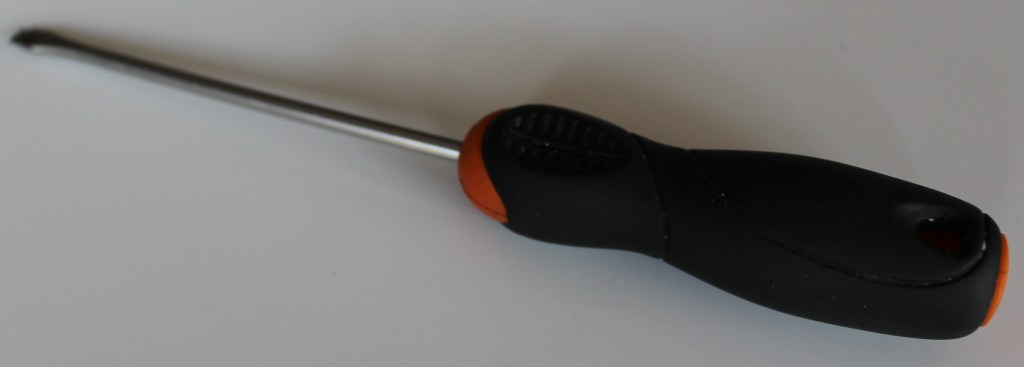
1:  Small flat-blade electricians’ screwdriver. I think it’s possible to write a thesis on the usefulness of a small flat-blade screwdriver, but I’ll spare you that for now.  For small change, you can buy one and use it to: Wire a plug, adjust light fittings, get batteries out of a gadget, scrape-off old paint from a surface, prising something open, cleaning nooks and crannies. A screwdriver like this has uses beyond screws.

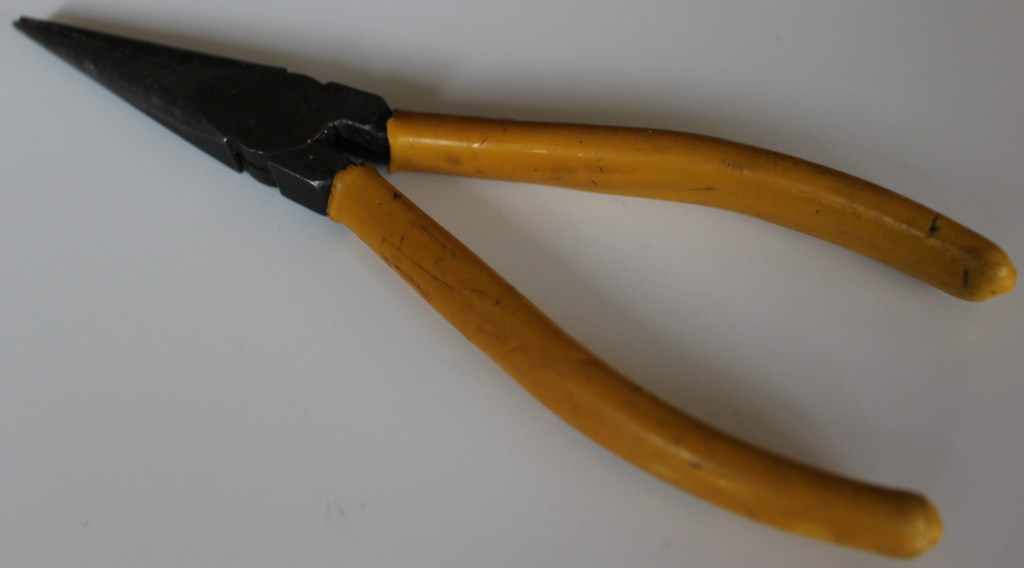
2:  Pliers and cutter combination tool.  Really useful for cutting and shaping garden wire, fixing Christmas lights, fixing kids toys, recovering items that have ‘fallen down a gap’ not forgetting cutting and trimming wire.  If you have a bike, a lawnmower, taps or doors in your life, then you need pliers and cutters as adjustment of those items will be needed from time to time.  Do it yourself, and you’ll save yourself time and money.

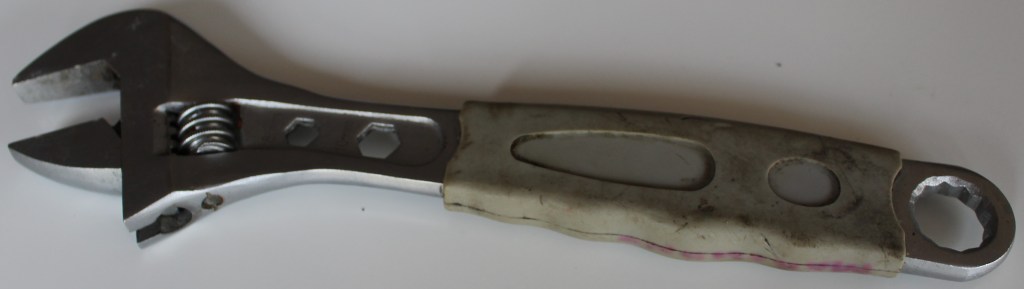
3: Adjustable spanner. If you don’t have space/ need/ cash for a full spanner set, consider an adjustable spanner instead.  OK, so they’re not ideal for regular nut-spinning, they are useful for those less frequently required tasks such as; adjusting a bike saddle, tightening a tap and adjusting a radiator valve.

4:  Cable ties and electrical tape. OK, not strictly tools, but honestly, I can’t think of more useful tool/fixings to have in your own man-drawer.  Cable ties and electrical tape has a million uses, are cheap, readily available and can fix so many things either temporarily or permanently including; tying cables, mending a broken handle on a hoover, fixing a backpack strap, mending a buggy, making a hook loop, tying a door back.  I always keep both in my mobile tool wrap to fix something, on the go. Get some today.

5:  Screwdriver set. If you’re going to tackle more jobs around the home, invest in one that contains at least; big and small flat blade screwdrivers and large, medium and small cross-head screwdrivers. From kitchen appliance maintenance, kids toy adjustment, door hinge fixing to furniture assembly, a basic screwdriver allows you to keep things running for longer and to do the job properly.

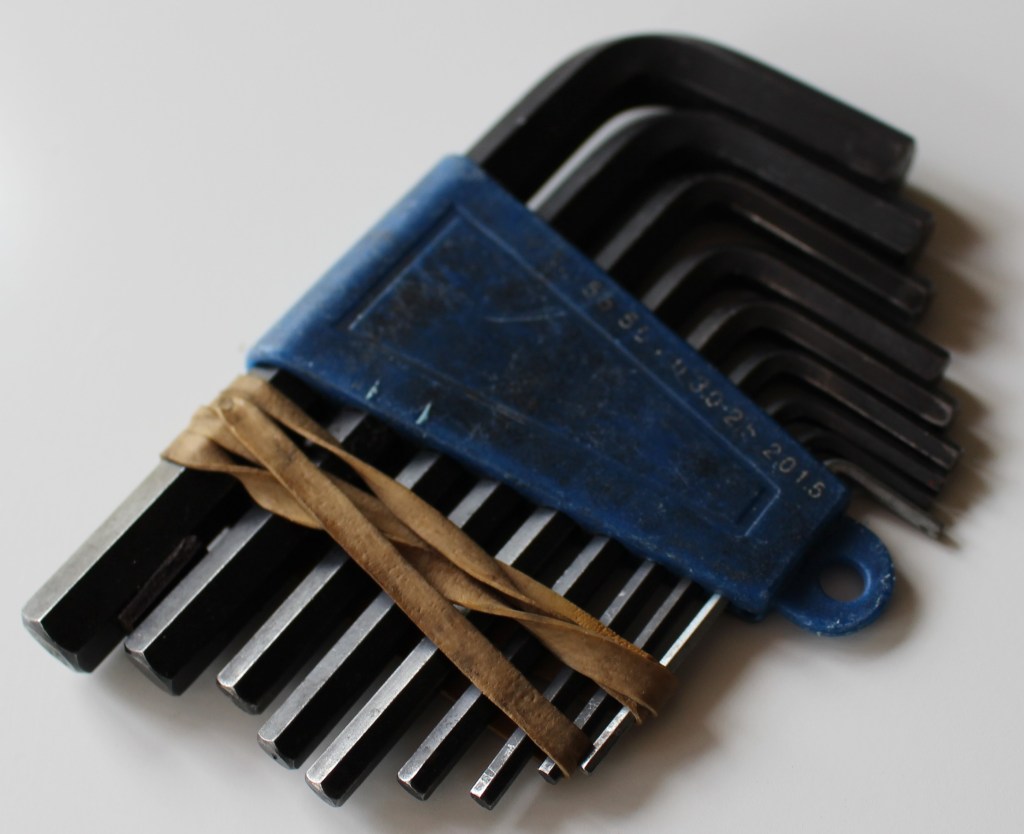
6:  A small set of Allen keys.  Allen ‘hex’ screws are used on lots of things now including bikes, home appliances and children’s toys. As with the other tools mentioned here, you don’t need to spend a lot of money to get a set of keys that will open many common household objects.

Don’t worry if you don’t yet have the knowledge to fix your coffee machine, just a quick search on YouTube will show you how to remove the doofer to access the widget to clean the thingy. Using a few of the aforementioned tools will allow you to complete the job like a pro, saving you cash, saving the appliance from landfill and giving you the power to do more.  Just remember to unplug from the socket first.  Tools also make excellent gifts, so the next time you’re wondering what to buy a loved one, have a sneaky peek in their man drawer, make a note of what’s missing for your gift list.

Until the next time… Do you have a DIY fixing related matter that you’d like me to explore in this section?  If so, please get in touch.