
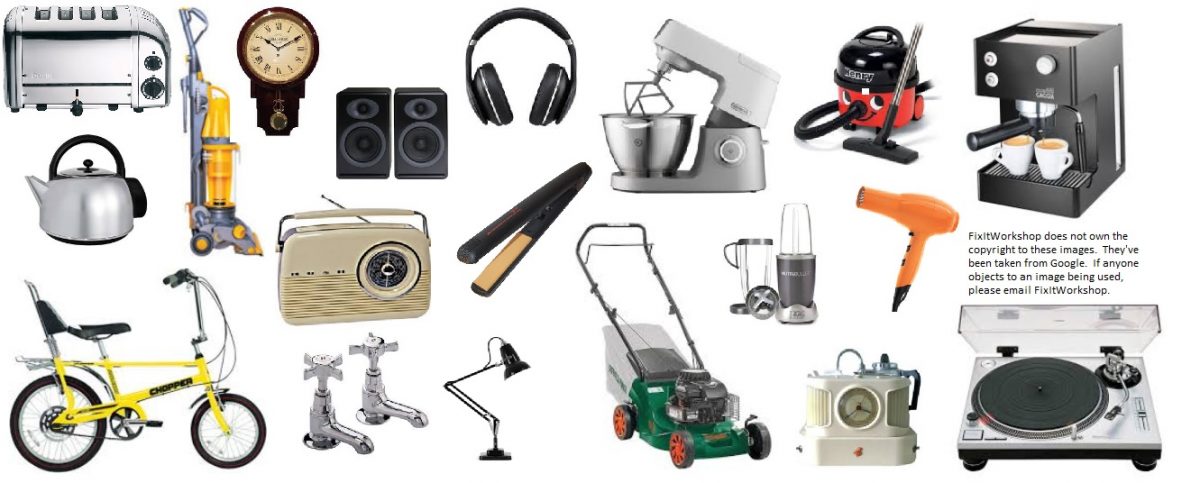

Pointless Products?
Hello once again from the workshop, and hasn’t it been a busy time? Lots of interesting customer repair jobs to be getting on with; from cherished toys, kitchen appliances to printed circuit boards, all needing a little help. Dividing my time between family, my main job and the workshop is always a careful balancing act, but somehow, I manage to keep on going. See the greying hair.
Since offering my repair skills to the charming people of Worthing and beyond, I’ve had to develop a quick-fire set of triage questions when trying to ascertain what the fault is and whether something is truly worth repairing. Yes, not everything is worth saving, there, I’ve said it. You weren’t expecting that, were you!
Sometimes, my repair skills are only worth investing in something, if the item has spare parts available. It happens all the time. And, when dealing with repair enquiries, I usually have to sensitively tread a careful line between diagnosing a fault on, say, an abused Shark vacuum cleaner which has been used to suck up paint, with the reality that not all spare parts are available for certain models. Yes, some new spares are available and yes, there’s always good-old eBay, but I hate to break it to anyone who loves their Shark vacuum cleaner (and I know that’s a few of you) that they are only really intended to last as long as the warranty. Built with longevity and a sound back up network, they are not. If you want a quality vacuum cleaner that can be repaired, buy the vacuum with the smiley face!
This all got me thinking about some of the other things that you might have been persuaded to buy for your home, but now probably regret. This might be because the thing was too much of a faff to use, or, it didn’t last long or maybe that the cost didn’t justify the performance. So, I thought it might be fun to compile a list of rubbish items, that should have stayed on the drawing board, because quite frankly, life’s too short.
Maybe you have one of these five useless items, languishing in your home, gathering dust.

5. Popcorn makers
Honestly, what’s the point in an electric popcorn maker? Popcorn machines on the pier or at the cinema I get, but these diy-home-install pieces of junk shouldn’t be a thing. “Relive that authentic cinematic experience with a freshly made bag of popcorn, all yours for around £20”. Christmas Secret Santa present, check. Last minute, hastily-purchased gift for the wedding of a couple that don’t really like anyway, who only invited you to the evening do, check. The reality is that they take ages to work, are very small and are very difficult to repair. And let’s face it, a ready-made bag of the stuff from Asda, tastes better. If you must have the cook at home experience, use a lidded saucepan, a little oil and some kernels from the health food aisle.
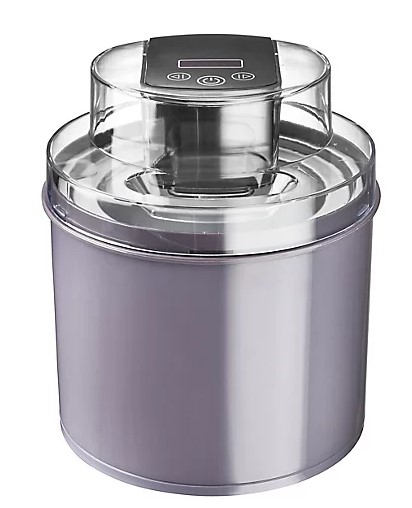
4. Ice cream makers
My personal favourite for “what’s the point”!? All you ‘kitchen show-offs’ can spend serious money on these things, and I’ve seen some models that can make ice cream in as little as 40 minutes. Yes, 40 minutes -really. Imagine the joy. Kids party, going well. They’ve all eaten their sandwiches, all had their crisps, and all they now need is jelly. And ice cream. Well, the good news is that the jelly is all done, waiting in the fridge, but the ice cream maker, is still whirring away to its heart’s content for another forty bloody minutes, to produce a thimble full of substandard slop. Sorry kids, you’ll just have to go without raspberry ripple today, but the good news is that there’s more carrot and celery sticks. Yay!
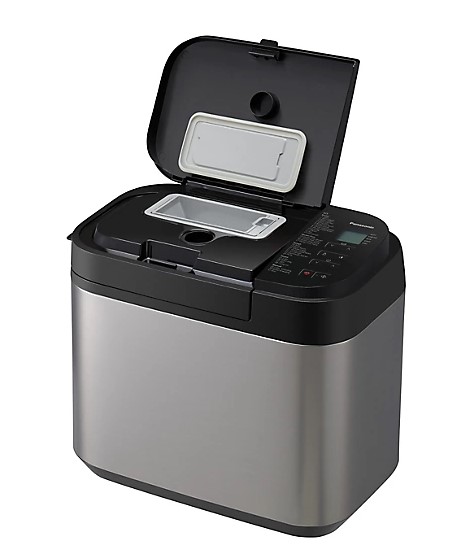
3. Bread makers
I actually bought one of these useless items back in the day, no doubt trying to impress a would-be lover with my fine artisan baking skills, using only the finest flours and grains from Lidl. I even grew a beard to go with my new-found skills, but I quickly realised that the way to a girl’s heart, isn’t as a baker. Indeed, making baked treats this way, every day, isn’t that good for one’s love life. 4am starts in the kitchen to make biscuit-sized loafs is just plain annoying and ruins any notion of a romantic breakfast in bed.
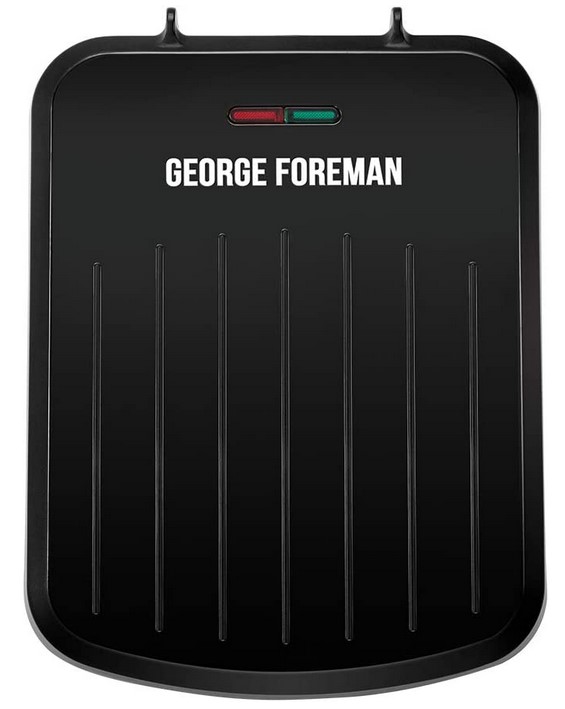
2. George Foreman Grille (other slab meat counter-top grilles available)
Now, I know that this will divide opinion. For some, George’s famous meat grille has changed lives. One can cook burgers, steaks and, well, anything meaty without an oven or hob. They’re also cheap to run and great if you have a small kitchen. The downside is that all that grease leaks out, they’re virtually impossible to clean thoroughly. See the mould and scuzz, the next time you use it. Yuk.
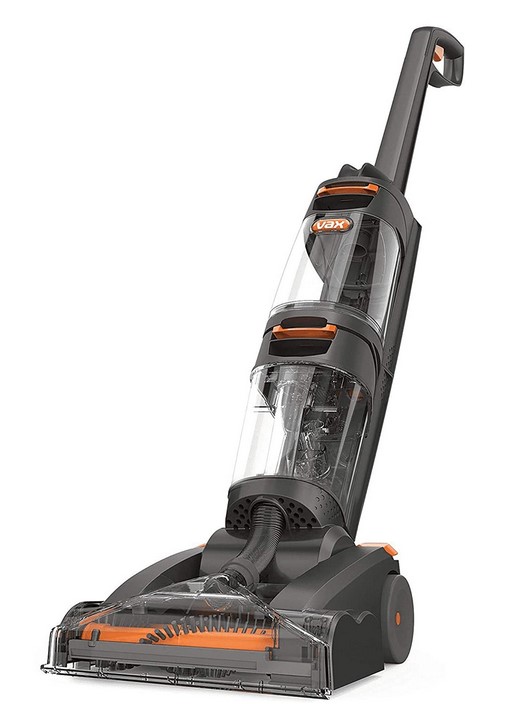
1. Upright home carpet washers
Number one was a tough call, but if there’s one repair enquiry I receive too often, it’s for these hideous contraptions. I don’t fix them now as they’re just too troublesome, and the manufacturers don’t really support any spares provision. We all know the brand that I’m talking about. (The one that rhymes with ‘axe’). Maybe you’ve bought one? Maybe you’re thinking of buying one, maybe someone loves theirs ‘so much’ and has recommended that you can’t live without one too. Just get a hold of yourself. Stop. You don’t need one. You’ll pay around £300 for a machine that will spend most of its time in the downstairs cupboard, leaking, until you get it out after a year to mop up Fido’s latest accident, only to find that the over-complicated mechanism is seized and to add insult to injury, you’re just out of warranty, Sir.
Do the sensible thing. If you must wash your carpets, hire a decent machine when you need it, or get a professional in to do the work. It’ll be cheaper and you’ll get a better result.
Well, I feel much better now. I’ve been meaning to get that lot off my chest for ages. Time for a cuppa don’t you think?
PS, don’t forget to tune into Retro Electro Workshop, on Yesterday Channel (27) and UKTV Play, from Tuesday 18th July at 9pm. I’m on it (correct as of July 2023 onwards).


 Fix It Workshop